
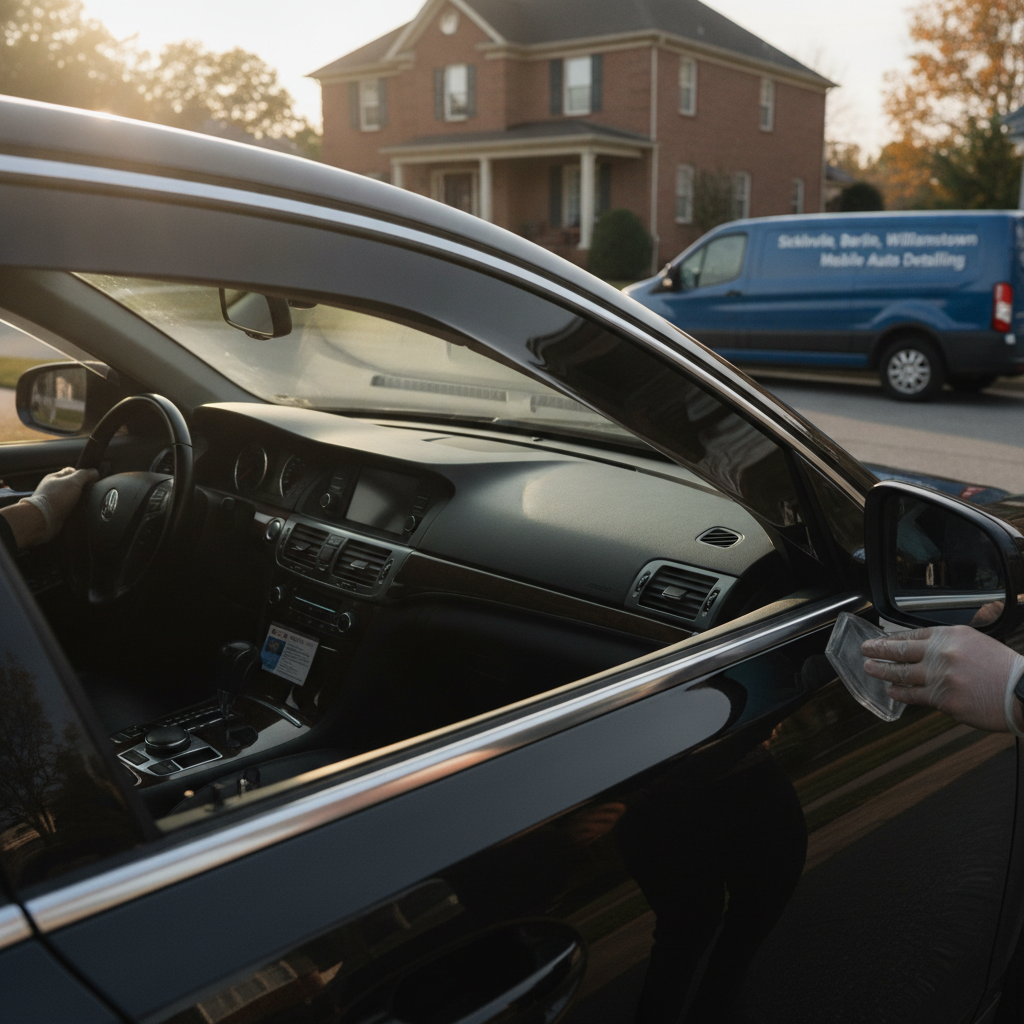
How Does Window Tint Protect Your Car’s Interior from Heat Damage in Gloucester Township — and What Should South Jersey Drivers Know Before Summer?
Window tint does a lot more than give your car a sleek look or reduce glare on a sunny morning. For drivers in Gloucester Township and across South Jersey, professionally installed window tint acts as a genuine heat shield — one that protects your dashboard, seats, door panels, and electronics from the kind of slow, relentless damage that builds up through spring and summer. If you’ve ever gotten into a parked car on a July afternoon and felt like the interior was radiating heat back at you, that’s exactly the problem quality window film is designed to prevent.
Why Heat Is One of the Biggest Threats to Your Car’s Interior
Most people think about exterior paint care when they plan vehicle protection — and that matters — but the interior of your car takes a serious beating from solar heat and UV radiation, especially during South Jersey summers. Temperatures inside a parked vehicle can climb well above 130 degrees Fahrenheit on a hot day, even with the windows cracked. That level of sustained heat causes real damage over time.
Here’s what high interior heat actually does to your vehicle:
- Dashboard cracking and warping: Plastic and vinyl surfaces dry out and crack when exposed to repeated heat cycles. Once a dashboard starts splitting, it’s an expensive repair.
- Seat fading and discoloration: Fabric, leather, and synthetic materials all fade under UV exposure. Light-colored interiors show it faster, but no material is fully immune.
- Adhesive failure: Trim pieces, headliners, and interior panels are held together with adhesives that break down under intense heat. You’ll notice this first as sagging or peeling edges.
- Electronic damage: Modern vehicles are packed with screens, sensors, and control modules. Heat stress over time contributes to premature failure in these components.
- Steering wheel and gear shift wear: These high-contact surfaces degrade faster when they’re repeatedly exposed to extreme heat, which affects both feel and appearance.
For commuters who park outdoors during work hours — common in Gloucester Township, Blackwood, and the broader Camden County corridor — this exposure adds up quickly across a full season.
What Window Tint Actually Does (Beyond the Cosmetic Look)
Quality window film works by filtering the solar energy that passes through your glass before it has a chance to heat your interior. There are two primary mechanisms at work: blocking UV rays and rejecting infrared heat.
UV rejection is the protection most people have heard of. High-quality window films can block up to 99 percent of ultraviolet radiation — the same type of radiation that causes sunburn and fades upholstery. UV blocking is actually present in many film types, even lighter shades, so you don’t need a very dark tint to get meaningful UV protection.
Infrared heat rejection is the part that most generic or entry-level films miss — and it’s what separates a budget installation from a professional-grade one. Infrared radiation is what actually drives up the temperature inside your car. Premium ceramic window films are engineered specifically to reject infrared energy, which means the interior stays measurably cooler even in direct sun. This is the difference you actually feel when you get back into the car after a long day parked in the sun.
If you’ve been researching car window tint options, this distinction between UV blocking and infrared heat rejection is one of the most important details to understand before choosing a film type or installer.
The Gap Most Window Tint Resources Don’t Cover: Interior Preservation Value
Here’s something worth noting: most content you’ll find from national window tint brands and large chains focuses almost entirely on the comfort angle — keeping you cooler while driving. That’s a real benefit, but it’s only part of the story. What doesn’t get discussed nearly enough is how window tint functions as an interior preservation tool that directly protects your vehicle’s long-term value.
A car with a well-maintained, crack-free dashboard and vibrant, unfaded upholstery commands meaningfully more at resale than one showing years of UV and heat damage. Buyers notice interior condition immediately. If you’re planning to sell or trade in a vehicle in Voorhees, Washington Township, or anywhere in South Jersey within the next few years, protecting the interior now with quality window film is a decision that pays you back when it counts.
Professional window tint is one of the more cost-effective protective investments you can make, especially when compared to the price of replacing a cracked dashboard or having leather seats professionally restored.
New Jersey Window Tint Laws — What Gloucester Township Drivers Should Know
Before you book a window tinting appointment, it’s worth understanding what New Jersey law allows. The state has specific visible light transmission (VLT) requirements that govern how dark your tint can legally be.
- Front windshield: Non-reflective tint is permitted only on the top 6 inches.
- Front side windows: Must allow more than 70% of light in — meaning very light tint only on the driver and passenger windows.
- Rear side windows: Any darkness is permitted.
- Rear window: Any darkness is permitted, provided the vehicle has dual side mirrors.
These rules matter because an installation that doesn’t comply with New Jersey law can result in a motor vehicle inspection failure or a fine. A knowledgeable local installer will be familiar with these regulations and will make sure your vehicle stays within legal limits while still achieving maximum heat and UV protection within the law.
Why Professional Installation Matters More Than People Realize
Window tint film purchased at a big-box store or installed by someone without proper training tends to produce results that disappoint quickly. Bubbling, peeling edges, purple discoloration, and uneven coverage are all signs of a subpar installation or a low-quality film. Beyond the cosmetic issues, poorly applied film can interfere with rear defroster lines and reduce rear visibility.
Professional-grade films — including ceramic and nano-ceramic options — are cut precisely for your specific vehicle’s glass, applied under controlled conditions, and cured properly. The result is a smooth, optically clear finish that performs consistently for years. For drivers in Berlin, Sicklerville, or anywhere in the area who want heat rejection that actually works, film quality and installation skill are both non-negotiable.
At Flash Mobile Detailing, auto window tinting is performed by experienced professionals using quality materials suited to South Jersey’s climate — where you need genuine heat rejection in summer and clear visibility during shorter winter days.
Frequently Asked Questions About Window Tint and Interior Heat Protection
Does lighter window tint still block heat, or do I need a dark shade for real protection?
Yes, lighter shades can still provide meaningful heat and UV protection, especially with ceramic or nano-ceramic films. The shade of the tint determines how much visible light passes through, but heat rejection depends on the film’s technology, not just its darkness. A light ceramic film can outperform a dark dye-based film in terms of actual temperature reduction inside the vehicle.
How long does professional window tint last in South Jersey’s climate?
Quality professional-grade film typically lasts anywhere from seven to fifteen years when properly installed. South Jersey’s summer heat and UV intensity can stress lower-quality films faster, which is one reason investing in a better-grade film from the start makes financial sense.
Will window tint affect my rear defroster?
When installed correctly by a professional, quality window film does not damage or interfere with rear defroster lines. Improper DIY installations are more likely to cause issues in this area, which is another reason professional installation is worth the investment.
Is window tint worth it if I already park in a garage sometimes?
Yes. Even if you have covered parking at home, most South Jersey commuters spend significant time with their vehicle parked outdoors at work, at shopping centers, or at other locations. The cumulative exposure adds up across a season, and window tint protects your interior during every outdoor parking situation.
Can window tint be combined with other protective services for better overall results?
Absolutely. Window tint protects the interior, while paint protection services like ceramic coating protect the exterior. Many vehicle owners in the area choose both to give their car comprehensive protection from the elements — inside and out.
Ready to Protect Your Interior Before the Heat Season?
If you’re a driver in Gloucester Township, Sicklerville, or anywhere in Camden County or South Jersey, professional window tinting is one of the smartest steps you can take to preserve your car’s interior and keep it comfortable year-round. The heat damage you prevent now is damage you won’t have to pay to repair later.
Flash Mobile Detailing serves drivers throughout the area and brings professional-grade service directly to your location. Reach out today to ask about window tinting options for your vehicle — no obligation, no pressure, just honest answers and quality work. Contact Flash Mobile Detailing here to get started.