
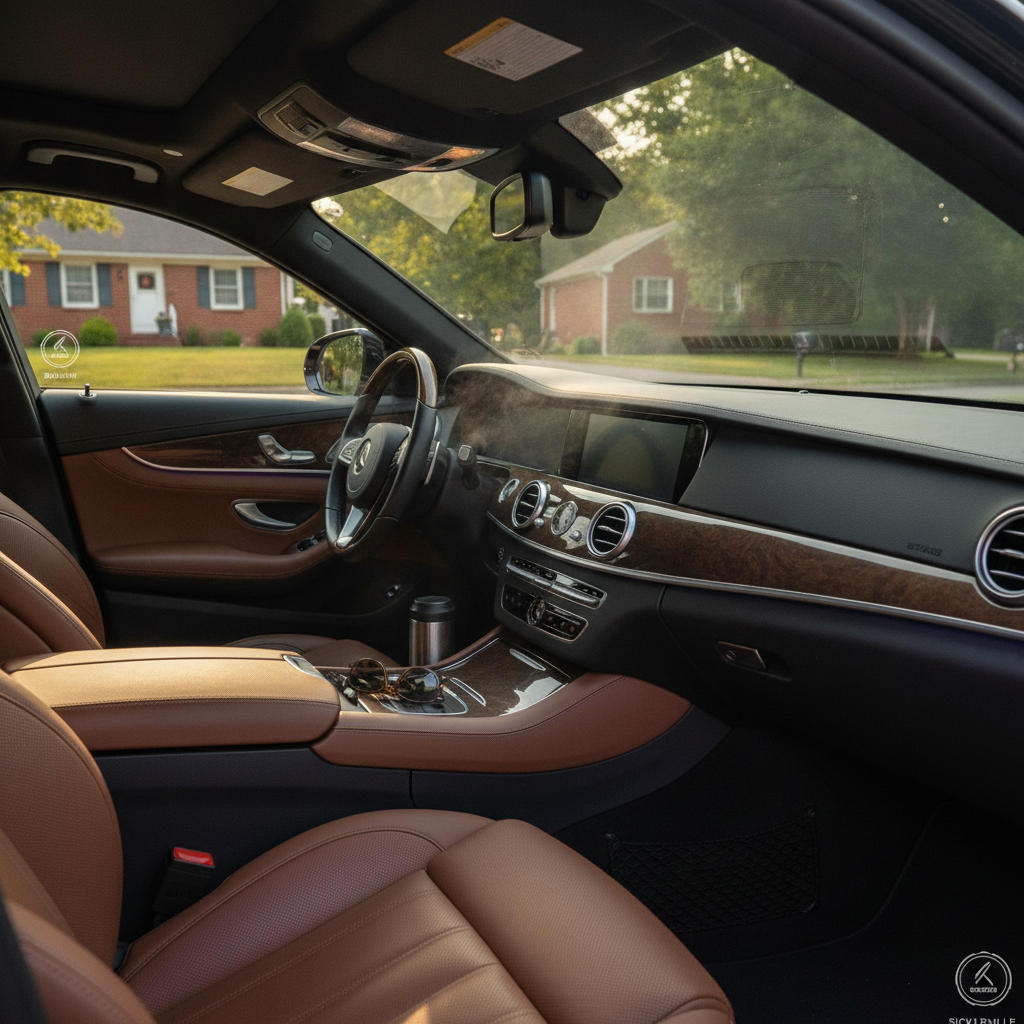
How Does Window Tint Protect Your Car’s Interior From Heat Damage in Deptford — and What Should South Jersey Drivers Know Before Getting It Done?
Window tint protects your car’s interior from heat damage by blocking a significant portion of solar energy before it ever reaches your dashboard, seats, or door panels. For drivers in Deptford and across South Jersey, this isn’t a minor perk — it’s one of the most practical ways to slow down interior deterioration, especially during the warmer months when the sun beats directly through the glass. If you’ve ever returned to a car that felt like an oven, or noticed your dashboard starting to crack or fade, the heat building up inside your vehicle is the reason why.
What Heat Actually Does to a Car’s Interior Over Time
Most car owners focus on what they can see from the outside — the paint, the wheels, the finish. But the interior takes a beating that’s just as serious, and heat is one of the biggest contributors. When sunlight passes through untreated glass, the temperature inside your vehicle can rise well above the outdoor temperature within minutes. That concentrated heat and UV exposure causes:
- Dashboard cracking and warping — especially in dark-colored dashboards that absorb more heat
- Seat fading and surface degradation — both fabric and leather surfaces break down faster under consistent UV exposure
- Trim discoloration — plastic and vinyl trim around doors and consoles can become brittle and discolored
- Electronic damage risk — screens, navigation systems, and center consoles can be affected by prolonged heat buildup
- Reduced resale value — a faded, cracked interior signals neglect to any potential buyer
In South Jersey, where summers run hot and the sun angle is strong for a long stretch of the year, vehicles parked outdoors — whether at a commuter lot, a shopping center near Deptford Mall, or a job site — face this kind of exposure repeatedly without protection.
How Window Tint Blocks Heat — Not Just Light
This is a distinction that a lot of drivers miss, and it’s one that many competitor websites gloss over. Window tint doesn’t just reduce visible brightness inside your car. Quality window film — particularly ceramic film — works by rejecting infrared radiation, which is the part of the solar spectrum most responsible for heat transfer. Blocking infrared energy means less heat accumulates inside the cabin, regardless of whether the sky looks bright or overcast.
Here’s how the main film types compare when it comes to actual heat rejection:
- Standard dyed film — reduces glare and adds privacy, but offers limited heat rejection and can fade over time
- Metalized film — better heat rejection than dyed film, but can interfere with GPS, cellular signals, and radio reception
- Carbon film — solid heat and UV rejection without signal interference, good mid-range option
- Ceramic film — the top performer for heat rejection, UV blocking, signal clarity, and long-term durability; holds its optical clarity without fading
For drivers who spend a lot of time behind the wheel — commuting along Route 45, running deliveries through Gloucester County, or making daily trips between communities in Camden County — ceramic film provides the most consistent interior protection over time. You can learn more about the professional tinting options available at Flash Mobile Detailing’s auto window tinting page.
What Competitors Don’t Tell You: The Interior Protection Connection
If you browse the larger national tint and detailing sites, most of the content around window tint focuses on privacy, aesthetics, and basic UV blocking. What’s largely missing is a clear explanation of how tint functions as a long-term interior protection strategy — not just a comfort upgrade. The difference matters for vehicle owners who are weighing the cost of tinting against other services.
When you factor in the cost of replacing a cracked dashboard cover, reupholstering faded seats, or restoring dried-out leather, professional window tinting often pays for itself in avoided damage. That’s the conversation that deserves more attention — and it’s especially relevant for car owners in South Jersey who keep their vehicles for several years and care about maintaining their car’s value.
New Jersey Tint Laws: What Deptford Drivers Need to Know
Before scheduling your window tint installation, it’s worth understanding New Jersey’s regulations so your vehicle stays road-legal. New Jersey has specific rules about visible light transmission (VLT), which refers to the percentage of light that must pass through the film and glass combined:
- Front windshield: Tint is only permitted on the top 4.5 inches (AS-1 line)
- Front side windows: Must allow more than 70% VLT
- Rear side windows: Any darkness is allowed
- Rear window: Any darkness is allowed, provided the vehicle has functioning side mirrors
A professional installer familiar with New Jersey law will guide you to compliant options that still deliver meaningful heat and UV rejection on your front windows, while giving you more flexibility on the rear. Don’t rely on internet guides or out-of-state shops that may not account for NJ-specific requirements.
What to Look for in a Local Window Tint Provider
Whether you’re in Deptford, Blackwood, Washington Township, or Sicklerville, choosing the right installer matters more than most people realize. Window tint applied with bubbles, lifting edges, or misaligned cutlines not only looks poor — it can also compromise the film’s heat and UV rejection performance over time. Here’s what to look for:
- Experience working with your specific vehicle type — sedans, SUVs, trucks, and vans each have different glass profiles
- Transparent film options with clear explanations of heat rejection percentages and VLT levels
- Warranty coverage on both materials and workmanship
- Knowledge of New Jersey tint law and compliance standards
- A clean, professional setup — whether shop-based or mobile
Flash Mobile Detailing brings professional-grade installation directly to you, which means no dropping your car off and waiting. If you’re parked at home in Cherry Hill, at your office near Voorhees, or at a job site in Williamstown, we can work around your schedule.
Combining Window Tint With Interior Detailing for Complete Protection
If your interior has already absorbed some heat damage — light fading, surface dullness, or early signs of wear — pairing a professional interior detail with your window tint installation is a practical approach. Interior detailing can restore clarity to surfaces, condition leather or vinyl, and address staining or grime before it sets deeper. From that point forward, your new window film helps slow the rate of future deterioration. It’s a straightforward one-two approach that makes a visible difference in how your interior looks and how long it stays that way.
For a closer look at what a full interior service involves, visit the mobile detailing page to see what’s included.
Frequently Asked Questions
Does window tint actually lower the temperature inside my car?
Yes — quality window film, especially ceramic tint, can meaningfully reduce interior temperatures by blocking infrared radiation. The difference is most noticeable in vehicles that sit in direct sun for extended periods, which is common for daily commuters across South Jersey.
Will window tint help prevent my dashboard from cracking?
It can significantly slow the process. UV rays and infrared heat are the primary causes of dashboard cracking and fading. By blocking a large portion of both, window film reduces the rate at which materials break down. It’s not a permanent guarantee, but it’s one of the most effective preventive steps available.
Is ceramic tint worth the extra cost compared to standard dyed film?
For most drivers, yes — particularly if you plan to keep your vehicle for several years or park in direct sun regularly. Ceramic film offers better heat rejection, doesn’t fade over time, and doesn’t interfere with electronics. The long-term durability makes the initial difference in cost a reasonable investment.
Can I get window tint installed at my home or office in Deptford?
Flash Mobile Detailing offers mobile service throughout the area, including Deptford and surrounding communities in Gloucester County and Camden County. Bring professional installation to your location — no shop visit required.
How long does window tint installation take?
Most standard passenger vehicles take between one and three hours depending on the number of windows and film type. Your installer can give you a more specific estimate based on your vehicle before the appointment.
Ready to Protect Your Interior From the Inside Out?
If you’re a driver in Deptford, Sicklerville, or anywhere across South Jersey and you’re tired of watching your interior fade season after season, professional window tinting is one of the most straightforward protective investments you can make. Flash Mobile Detailing brings quality workmanship to your location — so you don’t have to rearrange your day around a shop visit.
Reach out today to discuss your vehicle, your goals, and the right film option for your needs. Visit the contact page to get started or request a free consultation.