
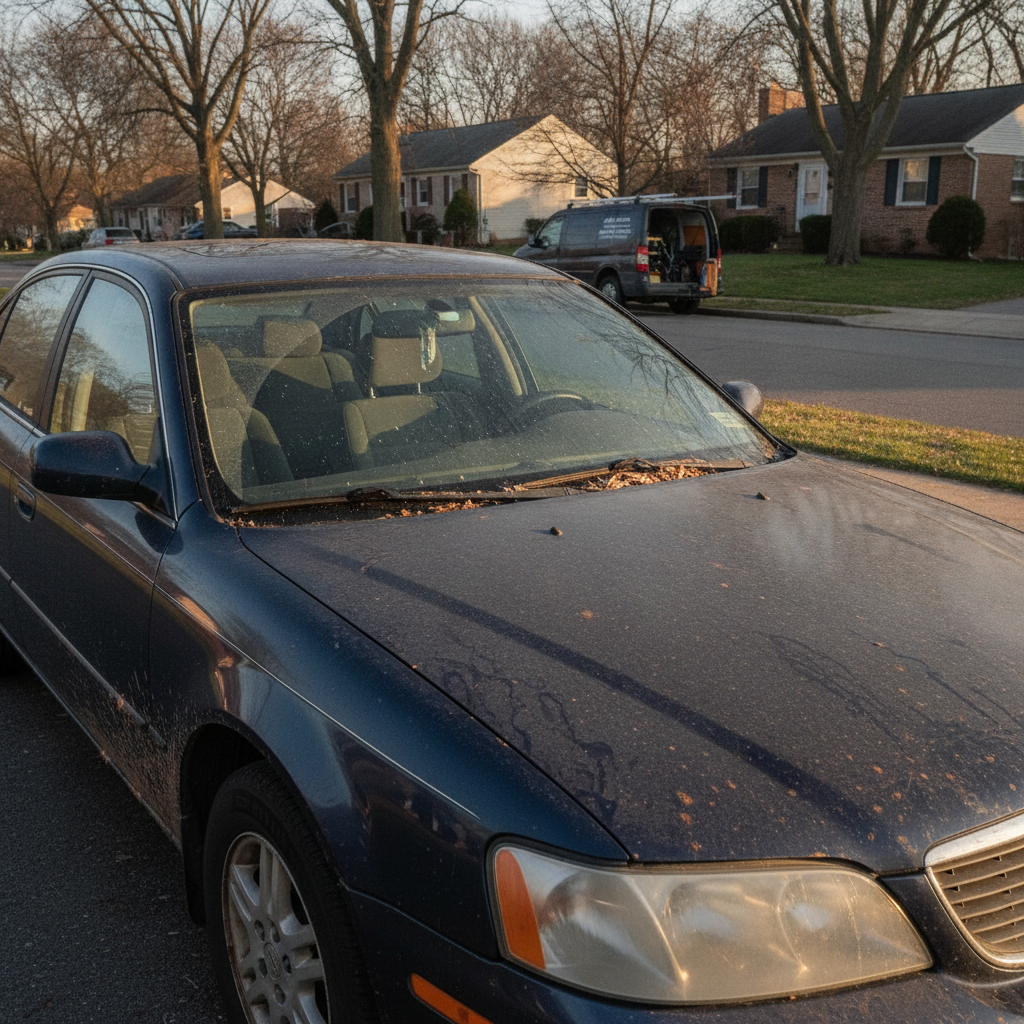
What Happens to Your Car’s Paint When You Skip Regular Detailing in Gloucester Township and South Jersey?
If you’ve been putting off your next detailing appointment, your car’s paint may already be paying the price. For drivers in Gloucester Township and across South Jersey, the combination of seasonal road salt, heavy rainfall, intense summer UV exposure, and daily highway commuting creates conditions that are genuinely hard on a vehicle’s finish. The damage doesn’t happen overnight — it builds up gradually, layer by layer, until a problem that could have been prevented becomes one that requires serious correction. Understanding what’s actually happening beneath that layer of road grime can help you make smarter decisions about your vehicle’s care.
The Slow Buildup That Most Drivers Don’t Notice
Paint damage from neglect rarely announces itself all at once. It starts subtly. Every time your car sits outside without a protective layer, it’s exposed to environmental contaminants that bond to the clear coat — the transparent topmost layer that gives your paint its shine and protects the color underneath.
In Gloucester Township and surrounding communities like Blackwood and Sicklerville, drivers deal with a particularly challenging mix of contaminants. Road tar and brake dust coat the lower panels. Tree sap and bird droppings etch into the surface when left to dry in summer heat. Industrial fallout from nearby roadways leaves microscopic metal particles embedded in the paint. Each of these contaminants, on its own, might seem minor. Together, over weeks and months without proper cleaning and decontamination, they begin to physically break down the clear coat layer.
What you’re left with is paint that looks dull, feels rough to the touch, and has lost the depth and gloss it once had — even if the car is otherwise clean.
What Clear Coat Degradation Actually Looks Like
Most vehicle owners recognize the end result of clear coat damage even if they don’t know the technical term for it. You might notice:
- A hazy or chalky appearance, especially on horizontal surfaces like the hood and roof
- Fine scratches and swirl marks that catch the light
- Areas where the paint seems to have faded or lost its depth of color
- A texture that feels gritty or rough when you run your hand across a freshly washed panel
- Small circular or irregular etch marks, often left behind by bird droppings or water spots
These aren’t just surface-level cosmetic issues. Once the clear coat is compromised, the color layer underneath is no longer shielded. UV rays from the sun can now reach the base coat directly and cause oxidation — a chemical process that breaks down the paint pigment itself. In South Jersey summers, where vehicles sit in direct sunlight for hours at a time, this process accelerates quickly on cars that haven’t been properly protected.
Why South Jersey’s Climate Makes This Worse Than You Might Expect
South Jersey isn’t the most extreme climate in the country, but it creates a near-perfect storm of paint-damaging conditions across all four seasons. Winters bring road salt and brine treatments across Camden County roads, and that salt doesn’t just affect the undercarriage — salt spray coats the paint surface too and accelerates corrosion and oxidation when left uncleaned. Spring brings heavy pollen that settles across the entire body and can be acidic enough to affect paint when it sits too long in moisture. Summer sun bakes the paint, makes existing contamination more aggressive, and causes water spots to etch into the surface faster. Fall delivers falling leaves, tree sap, and an uptick in road debris as commuting patterns shift.
For anyone commuting regularly through areas like Winslow Township or Berlin, these seasonal exposures compound each other. A car that goes a few months without a proper exterior detail in this environment ages noticeably faster than one that’s maintained consistently.
The Gap Most Detailing Resources Miss: What Happens Between Details
Here’s where most national detailing resources fall short. Websites from large brands and product retailers typically focus on what a detail does for your car — but they rarely explain what’s actively happening to your paint during the gaps between services. That missing information matters, because it changes how you think about the frequency and type of care your vehicle actually needs.
The reality is that neglected paint doesn’t just stop at surface contamination. Over a longer period without maintenance, etching from bird droppings and tree sap works deeper into the clear coat. Water spots from rain or sprinklers leave mineral deposits that bond tightly to the surface and grow harder to remove the longer they sit. In high-traffic corridors through South Jersey, brake dust — which contains metalite particles — bonds to paint through a mild heat process and becomes significantly harder to remove than simple road dirt.
At some point, a standard exterior wash and wax simply isn’t enough to address the level of contamination present. That’s when paint correction becomes necessary — a multi-step process that uses machine polishing to level out the clear coat, remove embedded scratches, and restore the surface to a point where it can hold a protective layer again. You can learn more about how mobile detailing services approach this kind of restoration work for vehicles at various stages of wear.
When Paint Correction Becomes the Only Option
Paint correction isn’t a universal first step — it’s something that becomes necessary when the surface damage is too deep for polishing alone to address. If you’re in Gloucester Township or a nearby community and your car’s paint has reached the stage of visible oxidation, deep swirl marks, or etching, correction is likely the right call before any protective coating is applied.
Attempting to apply a ceramic coating or protective layer over damaged paint locks those imperfections in place beneath the coating and makes them harder to address later. A professional will inspect the paint first and advise whether correction is needed before moving forward. Skipping that step in an attempt to save money often creates a more expensive problem down the road.
After correction, applying a ceramic coating creates a durable, semi-permanent protective layer that bonds to the clear coat and significantly reduces the rate at which contaminants can damage the surface. It won’t make your car maintenance-free, but it does raise the threshold for how much damage everyday exposure can cause — which means more time between corrections and a better-looking finish year-round.
Frequently Asked Questions
How long does it take for neglected paint to show visible damage in South Jersey?
It depends on how the vehicle is stored and how it’s used, but many drivers start noticing dullness and surface roughness within a single season of skipped maintenance — especially in summer or after a winter without proper decontamination.
Can a regular car wash prevent this kind of paint damage?
Automated car washes remove loose dirt but don’t address bonded contaminants like iron fallout, tar, or etching from bird droppings. Regular professional detailing with proper decontamination is necessary to prevent deeper damage from accumulating.
Is paint correction always required before applying a protective coating?
Not always. On newer or well-maintained vehicles, paint may only need a light polish. However, if the clear coat shows visible swirls, etching, or oxidation, correction is strongly recommended before coating to avoid locking in damage.
Does mobile detailing offer the same quality as a shop for this kind of work?
Yes — professional mobile detailers use the same-grade equipment and products as fixed-location shops. The advantage for busy drivers in communities like Gloucester Township and Blackwood is that the work comes to you, saving time without compromising quality.
How often should I have my car detailed to avoid reaching this point?
Most vehicle owners benefit from a full exterior detail two to four times per year, with light maintenance in between. Your actual schedule may vary based on how much you drive, where you park, and whether your vehicle has a protective coating applied.
Take Action Before the Damage Gets Harder to Reverse
Paint damage from neglected care is one of those problems that’s much easier and less expensive to prevent than it is to correct after the fact. If you’re in Gloucester Township, Sicklerville, or anywhere across South Jersey and you’re not sure where your vehicle’s paint currently stands, the right starting point is an honest assessment from a professional who can tell you what the surface actually needs.
Flash Mobile Detailing serves drivers throughout the area with thorough, convenient, and professionally done exterior care — from basic decontamination to full paint correction and long-term protective coating applications. We come to you, work around your schedule, and treat every vehicle with the same attention to detail. Contact us today to schedule your appointment or ask about which services make the most sense for your car’s current condition.