
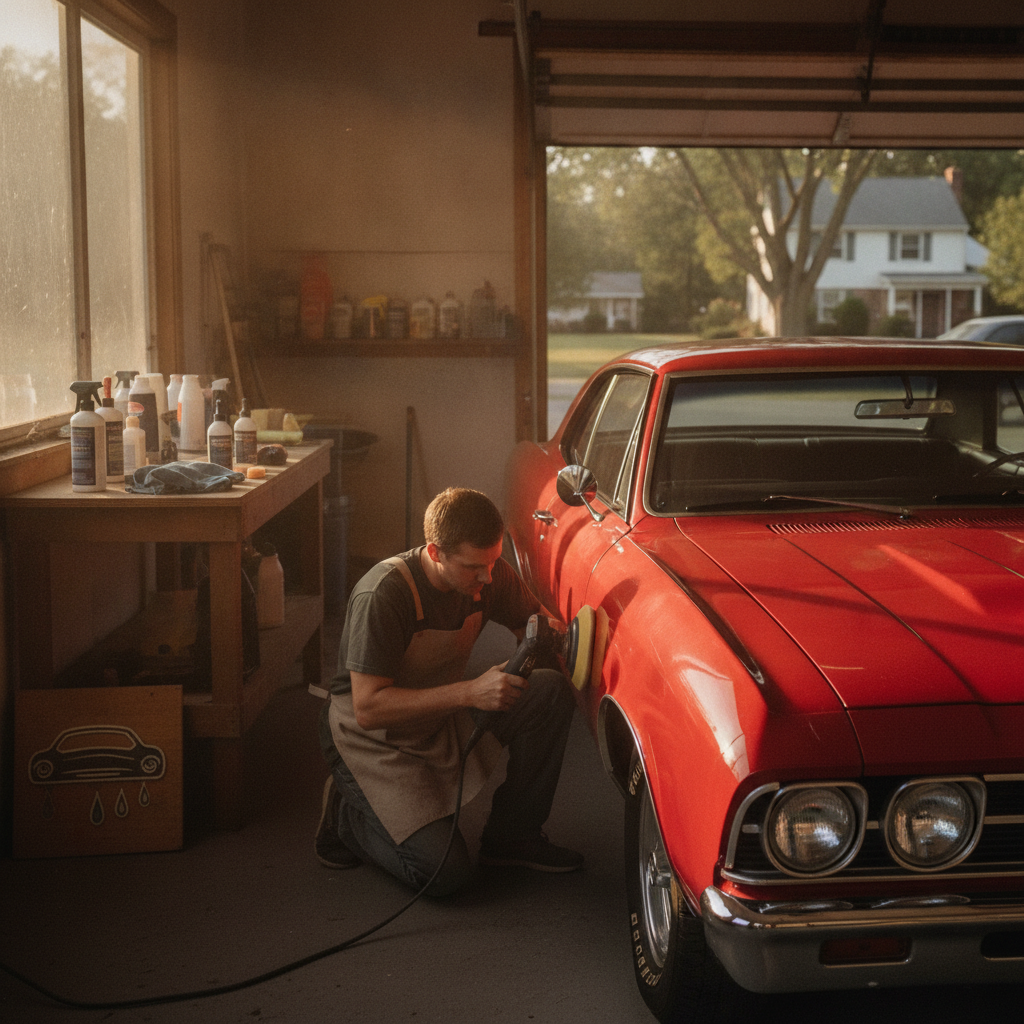
What Is a Single Stage Paint Job and Should Owners of Older Vehicles in Glassboro Get It Corrected or Protected?
If you drive an older vehicle in Glassboro or anywhere in Gloucester County, there is a good chance your car was painted with what is called a single stage paint system — and it behaves very differently from the finishes you find on newer vehicles. Understanding that difference matters quite a bit before you invest in detailing, paint correction, or any type of protective coating. The short answer is yes, older vehicles with single stage paint can absolutely benefit from professional correction and protection, but the process has to be approached carefully to avoid doing more harm than good.
What Exactly Is Single Stage Paint?
Most vehicles manufactured after the early 1990s use a two-stage paint system. That means the color coat is applied first, and then a separate clear coat layer goes over the top. The clear coat is what gives modern paint its glossy depth and what gets polished during a professional detail.
Single stage paint is different. The color and the gloss are built into one layer — there is no separate clear coat on top. This was the industry standard for decades, and you will find it on many vehicles from the 1980s, older trucks, fleet vehicles, and even some models from the early 1990s. Some specialty finishes and custom respray jobs also use single stage products today.
Because there is no protective clear coat layer, single stage paint is more vulnerable to UV exposure, oxidation, and surface contamination over time. In South Jersey, where vehicles deal with intense summer sun, road salt during winter months, and tree sap and pollen in the spring, this type of paint tends to show its age faster than a modern two-stage finish would.
How Single Stage Paint Ages — and Why It Looks the Way It Does
If you have ever seen an older vehicle where the paint looks chalky, faded, or dull — that is oxidation. When single stage paint is exposed to UV rays without adequate protection over time, the pigment in the paint literally breaks down at the surface. What you are seeing is the paint itself degrading, not just a dirty finish.
This is one of the most common issues drivers in Glassboro, Washington Township, and Williamstown ask about when they bring in older vehicles. The good news is that mild to moderate oxidation is often reversible with professional paint correction. Severe oxidation that has penetrated deep into the paint layer is harder to address without repainting, but many vehicles fall somewhere in the middle and can be significantly improved with the right approach.
Other signs that your single stage paint needs attention include:
- A cloudy or milky appearance in direct sunlight
- Paint that feels rough or chalky to the touch
- Swirl marks and light scratches that catch the light from multiple angles
- Color that looks noticeably lighter than it did when the vehicle was newer
- Areas around trim or edges where paint has begun to flake or peel
Can You Polish or Correct Single Stage Paint? What You Need to Know First
This is where the process gets a little more nuanced — and where many generic detailing guides fall short. Most of the how-to content you will find online is written with modern clear coat finishes in mind. Polishing a single stage finish is not the same thing.
When you polish a modern vehicle, you are working on the clear coat layer. That layer is designed to be corrected without affecting the underlying color. With single stage paint, polishing removes actual color pigment from the surface. That is not necessarily a problem if done carefully — it is how oxidation is removed — but it does mean you need to be precise about the products and tools used, the aggressiveness of the polish, and how much material is removed.
An experienced detailer will use a paint depth gauge before working on single stage paint to understand how much material is available to work with. Removing too much on a thin or worn finish can do real damage, and this is why single stage correction should not be treated as a standard polish job. If a detailer you are speaking with does not mention checking paint thickness on an older vehicle, that is worth noting.
For South Jersey vehicle owners, this kind of attention to detail is especially important because older vehicles in the area have often dealt with years of road salt exposure, which can accelerate surface wear and reduce how much paint is left to work with. Professional mobile detailing from a technician who works on a variety of vehicle ages and paint types is a meaningful advantage here.
Should You Apply Ceramic Coating to Single Stage Paint?
This is a question that most large national detailing platforms and competitor websites have not addressed clearly, and it is one that comes up regularly among owners of older or classic vehicles. The answer is that yes, ceramic coating can be applied to single stage paint — but only after any necessary correction work is done first.
Ceramic coating bonds to whatever surface is beneath it. If there is oxidation, contamination, or surface defects present when the coating goes on, those imperfections will be locked in rather than corrected afterward. That means a thorough decontamination and, if needed, polish or paint correction step should always come before any coating application on an older vehicle.
Once that prep work is done correctly, ceramic coating offers real benefits for single stage paint. It creates a protective layer over the paint surface that helps guard against UV exposure, road contaminants, bird droppings, and moisture. For an older vehicle that has already weathered years of South Jersey conditions, that added layer of defense can meaningfully slow down future deterioration and keep the paint looking cleaner between washes.
It is worth having an honest conversation with your detailer about realistic outcomes. Coating will not reverse severe oxidation that is already present, but it can preserve and protect what is there after proper correction has been completed.
What a Professional Assessment Should Include for an Older Vehicle
Before any work begins on a vehicle with single stage paint, a qualified detailer should walk through the following with you:
- A visual inspection of all painted panels to assess oxidation levels and any areas of concern
- Paint thickness readings using a gauge to confirm there is enough material available for safe correction
- An honest assessment of what correction can realistically achieve given the current condition of the paint
- A recommendation on whether coating makes sense for the vehicle’s condition and your goals
- A clear explanation of the process, products being used, and any limitations to be aware of
If a shop or detailer jumps straight to recommending coating without discussing the vehicle’s paint condition first, it is a reasonable sign that they may not have experience working with older paint systems.
Frequently Asked Questions
How do I know if my vehicle has single stage paint or a clear coat finish?
A detailer can usually identify this during an inspection, but one simple test is to rub a small amount of polish on a hidden area with a white cloth. If color transfers onto the cloth, you likely have single stage paint. Modern clear coat finishes will not transfer visible color during a normal polish.
Can oxidized single stage paint be fully restored?
Mild to moderate oxidation can often be significantly improved or removed through professional paint correction. Severe oxidation that has gone deep into the paint may not be fully reversible through polishing alone, and in those cases a respray may be the more practical option. An honest detailer will tell you what is achievable before taking on the job.
Is it worth protecting an older vehicle in Glassboro if the paint is already aging?
In many cases, yes. If the paint still has enough integrity to be corrected and protected, doing so can extend the life of the finish, slow further deterioration from UV rays and road contaminants, and help maintain the vehicle’s value and appearance for years to come.
Does ceramic coating require special maintenance on single stage paint?
The general maintenance principles are the same — regular washing with pH-neutral products and avoiding harsh chemicals. Because single stage paint is thinner overall, avoiding abrasive wash tools and automatic car washes with stiff brushes is especially important in preserving both the paint and the coating.
How long does paint correction on an older vehicle typically take?
It depends on the size of the vehicle and the extent of correction needed. A thorough multi-stage correction on an older vehicle with noticeable oxidation can take anywhere from several hours to a full day. The timeline will vary based on how much prep and polishing work is required, and a professional should give you a realistic estimate after inspecting the vehicle.
Ready to Give Your Older Vehicle the Attention It Deserves?
Whether you drive a classic pickup, an older daily commuter, or a high-mileage vehicle that still has years of life left in it, Flash Mobile Detailing has the experience to assess your paint honestly and recommend the right approach for your situation. Serving Glassboro, Sicklerville, and communities throughout South Jersey, we come to you — making it easy to get professional-grade care without rearranging your day.
If you are curious about what paint correction or protective coating could do for your vehicle, reach out to us today to schedule a consultation. We will take a close look at what your vehicle actually needs and walk you through your options before any work begins.