
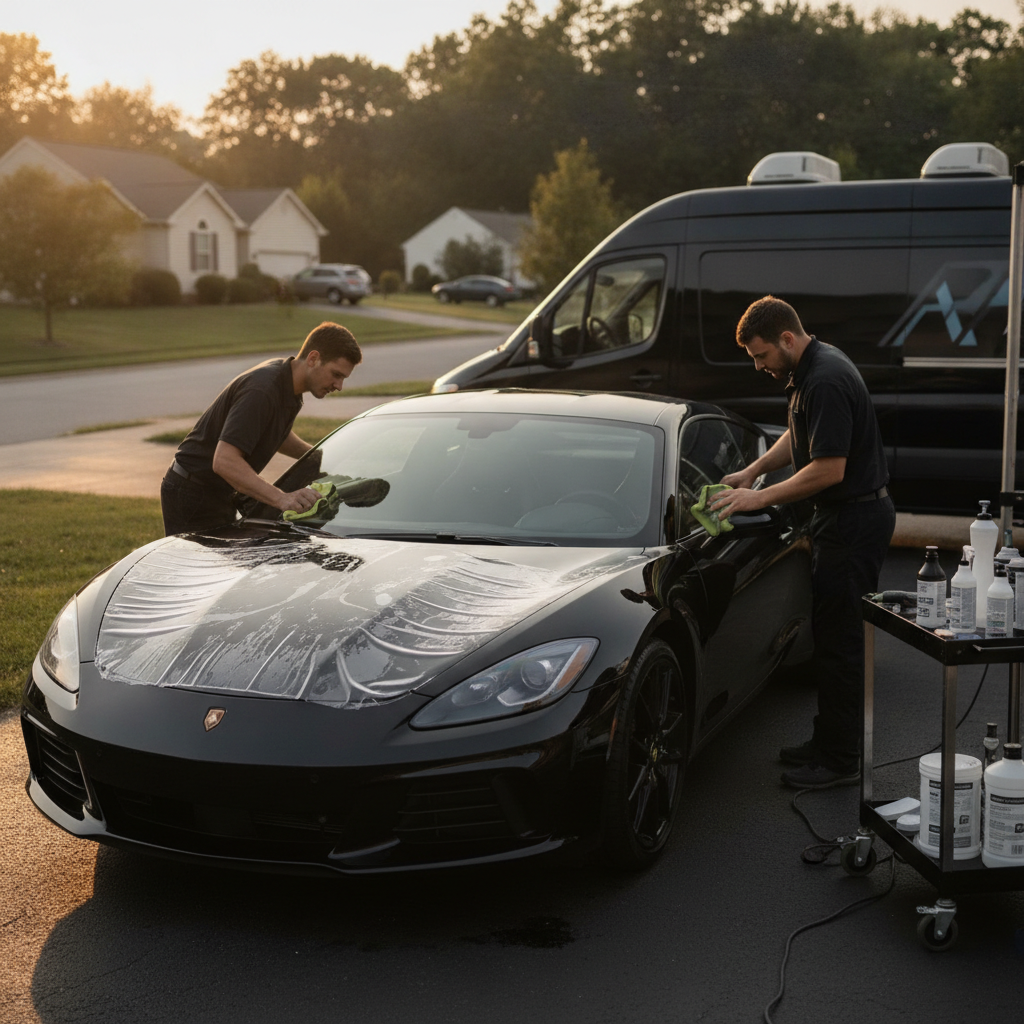
What Is Paint Protection Film and How Does It Differ From Ceramic Coating for Car Owners in Williamstown and South Jersey?
If you’ve been researching ways to protect your vehicle’s paint, you’ve probably come across both paint protection film and ceramic coating. They’re often mentioned in the same conversation, and it’s easy to assume they do the same thing — but they don’t. For car owners in Williamstown, Sicklerville, and the wider South Jersey area, understanding the difference between these two products can help you make a smarter investment decision for your specific vehicle and driving habits.
What Is Paint Protection Film?
Paint protection film — sometimes called PPF or a clear bra — is a thick, transparent thermoplastic urethane film that’s applied directly to your vehicle’s painted surfaces. Think of it as an invisible physical shield that sits on top of your paint. It’s designed to absorb the kind of real-world punishment that daily driving throws at your car: rock chips from highway gravel, scratches from stray shopping carts, road debris on the Route 42 corridor, and even minor abrasions.
One of the standout features of modern paint protection film is its self-healing capability. When light surface scratches occur on the film itself, the material is engineered to gradually revert back to a smooth surface — particularly when exposed to heat, such as direct sunlight or warm water. The film essentially heals itself, which keeps the protected area looking clean without constant intervention.
PPF can be applied to high-impact areas like the front bumper, hood, fenders, door edges, and side mirrors, or you can opt for full-body coverage if you want comprehensive protection. Coverage choices depend on your budget and how heavily your car is exposed to road debris during your daily commute.
What Is Ceramic Coating and How Does It Work Differently?
Ceramic coating is a liquid polymer that chemically bonds with your vehicle’s factory clear coat, creating a hard, semi-permanent protective layer. Unlike paint protection film, ceramic coating doesn’t provide a physical barrier thick enough to stop rock chips or deep scratches. What it does exceptionally well is repel water, contaminants, bird droppings, tree sap, and UV rays — all of which are very real threats for drivers across South Jersey, especially during warm seasons when pollen levels run high and summer UV exposure is intense.
A properly applied ceramic coating makes your vehicle’s surface incredibly hydrophobic. Water beads up and rolls off rather than sitting on the paint and evaporating into water spots. It also adds a deep gloss and visual clarity that makes the paint look better than it did fresh from the dealership.
Ceramic coating is a long-term solution — typically lasting several years with proper maintenance — but it is not indestructible. It won’t prevent a rock chip or save your paint from a door ding in a parking lot. That’s where the distinction from PPF becomes important.
The Key Difference: Physical Protection vs. Chemical Protection
Here’s the simplest way to think about it. Paint protection film offers physical protection — it physically absorbs impacts, scratches, and abrasion. Ceramic coating offers chemical protection — it creates a surface that resists contamination, UV degradation, and oxidation.
Neither product fully replaces the other. If you’re primarily worried about chips and scratches from highway driving — which is a genuine concern for anyone regularly traveling through Washington Township or commuting on South Jersey’s busier roads — PPF addresses those risks directly. If your bigger concern is keeping your paint clean, preventing fading from sun exposure, and maintaining that fresh look over time, ceramic coating is the more targeted solution.
Why Combining Both Gives You the Most Complete Protection
Many vehicle owners who want comprehensive, long-term protection choose to use both products together. The approach works like this: PPF is applied first to high-impact zones, and then ceramic coating is applied over the film and across the rest of the vehicle. The film handles physical threats, and the ceramic coating creates a hydrophobic, self-cleaning surface over everything.
This combination is especially practical for newer vehicles in Voorhees or Williamstown where owners want to maintain resale value from day one. When you protect the paint early, you avoid the cost and time of paint correction down the road. And for leased vehicles or cars you plan to sell in a few years, protecting the exterior can meaningfully impact what you get back.
If you’re exploring what paint protection ceramic coating looks like as a combined service, it’s worth having a conversation with a local detailing professional who can assess your vehicle and recommend coverage based on your actual driving conditions — not a one-size-fits-all package.
What Competitor Content Gets Wrong About This Topic
Most large national brands and online detailing retailers cover PPF and ceramic coating separately, with very little guidance on how the two products work together or how to choose between them based on your local environment. They tend to promote their own product lines without helping you understand the practical trade-offs. What’s missing from most of that content is a clear, real-world comparison that accounts for where you actually drive — the road conditions, the seasonal hazards, and the kind of commuting that South Jersey drivers deal with every week. A generic product description from a national supplier won’t tell you what matters most if you’re driving on gravel-heavy back roads in Gloucester County or parking outdoors through a South Jersey winter.
What to Ask Before Choosing a Local Provider
Not all installers work with both products or have experience applying them together. Before booking a service, here are a few questions worth asking any local provider:
- Do you offer paint protection film, ceramic coating, or both?
- Do you recommend paint correction before either application?
- What areas of the vehicle do you recommend covering with PPF?
- How long does installation take, and do you come to me or do I need to come to you?
- What maintenance does the coating require after installation?
A provider who takes time to answer these questions honestly — rather than simply upselling the most expensive package — is the kind of professional you want working on your vehicle.
Frequently Asked Questions
Can paint protection film and ceramic coating be used on the same car?
Yes, and many vehicle owners choose to do exactly that. PPF is typically applied first to high-risk areas, then ceramic coating is applied over the film and across the full vehicle surface for a unified layer of chemical protection.
Does paint protection film affect how my car looks?
Modern PPF is nearly invisible when professionally installed. High-quality film is optically clear and won’t dull your paint’s appearance. Some films even add a slight gloss enhancement, similar to a light ceramic coating effect.
Is paint protection film worth it for a used car in South Jersey?
It depends on the condition of the existing paint. If the paint has significant scratches, swirls, or chips, paint correction should be done first. Applying PPF over damaged paint seals in those imperfections. A detailing professional can assess whether your paint is a good candidate before recommending a service.
How long does paint protection film typically last?
Quality PPF installed by an experienced professional can last anywhere from five to ten years depending on the product, environmental exposure, and how the vehicle is maintained. Vehicles parked outdoors in direct sunlight or frequently driven on highways with road debris may see more wear over time.
Do I need to do anything special to maintain ceramic coating or PPF?
Both products benefit from regular maintenance washes using pH-neutral soap and avoiding harsh chemical cleaners. Ceramic coating particularly benefits from periodic ceramic boost spray to refresh its hydrophobic properties. Your detailing provider should walk you through a simple maintenance routine after installation.
Ready to Protect Your Vehicle the Right Way?
Whether you’re interested in paint protection film, ceramic coating, or a combination of both, the team at Flash Mobile Detailing works with car owners across Sicklerville, Williamstown, Voorhees, Washington Township, and surrounding South Jersey communities. We’ll take a look at your vehicle, explain your options honestly, and help you decide what level of protection makes the most sense for how you drive and what your goals are.
Reach out today to schedule a consultation. You can contact Flash Mobile Detailing here to get started — no pressure, just straightforward advice from a local team that knows South Jersey vehicles and South Jersey roads.