
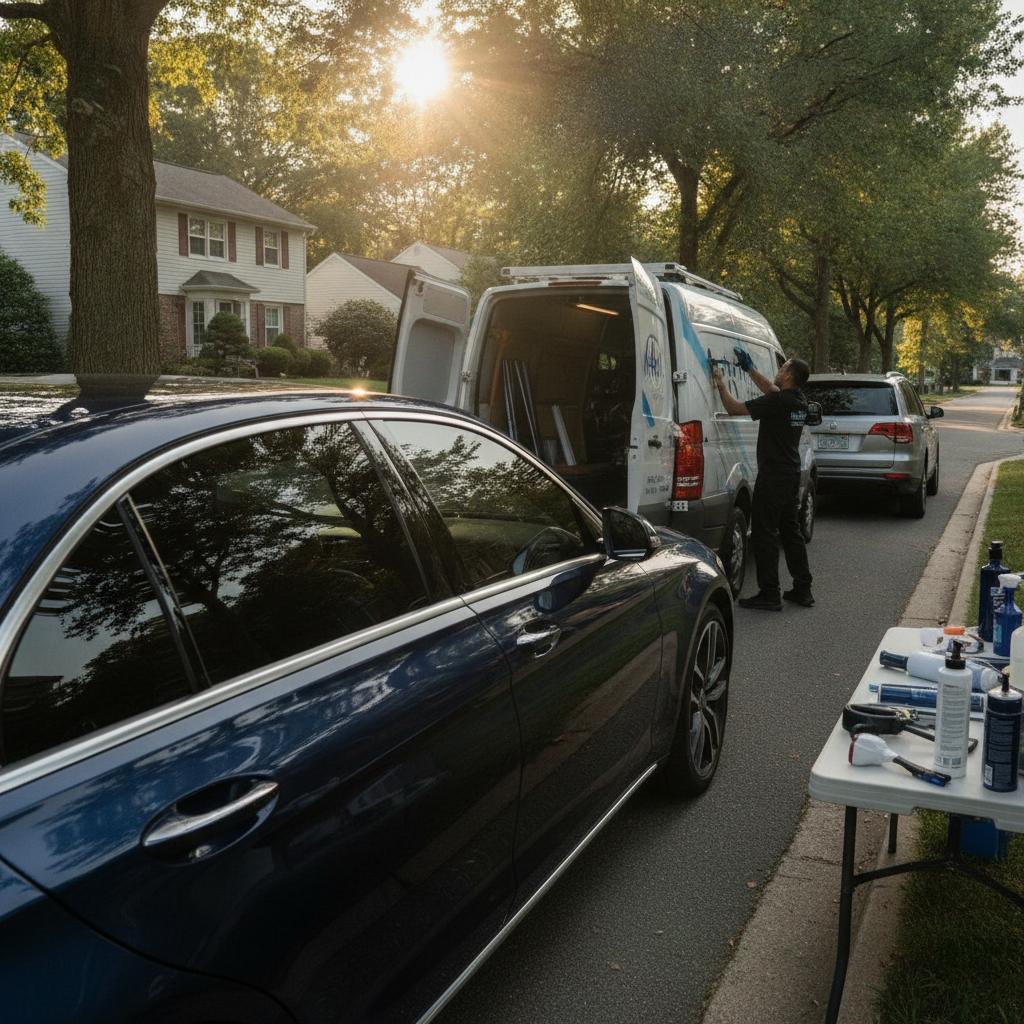
How Does Professional Window Tint Protect Your Car’s Interior in Berlin and South Jersey?
If you own a vehicle in Berlin or anywhere across South Jersey, you’ve probably noticed what the sun does to your dashboard and upholstery over time — cracking, fading, and that relentless heat buildup every time you climb in on a summer afternoon. Professional window tinting is one of the most practical and cost-effective ways to address all of that. It’s not just about appearance; the right window film creates a genuine barrier between your interior and the sun’s most damaging rays, and it does so every single day without any maintenance on your part.
What Window Tint Actually Does for Your Interior
Most people think of window tint as a privacy or style upgrade. That’s understandable — a clean, evenly applied tint does make a vehicle look sharper. But the real value comes from what’s happening on a molecular level. Quality window tint film is engineered to block a significant portion of ultraviolet radiation and solar heat before it ever reaches your cabin.
UV rays are the primary cause of interior fading and material breakdown. Your dashboard, door panels, leather or cloth seats, and even your steering wheel are all vulnerable. In South Jersey, where summers can be intense and sunny days stretch well into the fall, UV exposure adds up fast. A vehicle parked outside regularly in Gloucester Township or along busy corridors in Cherry Hill can see noticeable interior wear within just a few years if it has no window protection at all.
Professional-grade window film blocks up to 99% of UV radiation depending on the product selected. Even mid-tier films offer meaningful protection that bare factory glass simply cannot match.
Heat Rejection: The Benefit You Feel Immediately
Beyond UV blocking, heat rejection is the window tinting benefit most drivers notice right away. When your car sits in a parking lot during a July afternoon in Williamstown or you’re commuting along Route 42, interior temperatures can climb dramatically. This heat doesn’t just make the ride uncomfortable — it accelerates the breakdown of plastics, glues, and fabrics throughout your cabin.
Ceramic window tint films, which represent a step up from standard dyed or metallic options, reject a higher percentage of infrared heat. This means your air conditioning doesn’t have to work as hard, your fuel efficiency may improve slightly on long drives, and your interior materials stay cooler over time. Drivers who make daily commutes through Camden County or down the Black Horse Pike often report that the temperature difference inside a tinted vehicle is noticeable within the first week.
What Most National Chains and Generic Providers Don’t Tell You
This is one area where a lot of large national tinting chains and DIY products fall short — and it’s a gap that’s easy to overlook when you’re comparing prices online. Many budget film options offer basic UV blocking but sacrifice heat rejection, optical clarity, and long-term performance. Films that aren’t professionally installed can also bubble, peel, or develop haze within a few years, which means you’re paying again to have it redone.
Equally important is the installation quality. Window tinting requires precise cutting, careful surface preparation, and the right environment to cure properly. A film that’s installed quickly in poor conditions — or cut too small to fully cover the glass — won’t protect the edges and corners of your interior where UV damage often starts first. Professional installation from a local specialist who knows the product and takes the time to do it right makes a real difference in how long your tint performs and how your interior holds up.
You can explore the tinting options available through Flash Mobile Detailing’s car window tint service to get a better sense of what a professional installation involves and what questions to ask before you book.
New Jersey Tint Laws: What Berlin and South Jersey Drivers Need to Know
Before you decide on a tint darkness level, it’s worth understanding New Jersey’s legal requirements. The state has specific rules about how much light must pass through your windows, and they differ depending on the window location.
- Front side windows: Must allow at least 70% of light through (VLT — visible light transmission).
- Rear side windows: Any darkness is permitted.
- Rear window: Any darkness is permitted, provided the vehicle has dual side mirrors.
- Windshield: Only non-reflective tint is allowed above the manufacturer’s AS-1 line.
A knowledgeable local installer will walk you through these requirements and help you choose a film that gives you the maximum benefit while keeping you street-legal. If you’re unsure what a previous installer put on your vehicle, it’s worth having it checked — especially before registration renewal.
How Tint Works Alongside Other Interior Protection Strategies
Window tinting is a strong first line of defense, but it works even better when combined with other interior care habits. Regular interior detailing — including conditioning leather or vinyl surfaces and cleaning upholstery — helps preserve materials that tint has shielded from UV damage. Think of it as protecting a layer that’s already protected.
If you park outside regularly in neighborhoods across Sicklerville or Gloucester Township, or if your vehicle spends long hours in sun-exposed lots during the workday, combining window tint with periodic interior detailing keeps your cabin looking and feeling newer for longer. Vehicles with well-maintained interiors also tend to command better trade-in and private sale values — a detail worth considering if you plan to sell or upgrade in the next few years.
For a complete look at what professional interior care can do alongside window tinting, the mobile detailing page outlines how Flash Mobile Detailing handles interior services at your location.
What to Look for in a Local Window Tint Installer
When you’re choosing someone to tint your vehicle in the Berlin or Sicklerville area, a few things are worth asking about upfront:
- Film brand and type: Ask whether they use ceramic, carbon, or dyed film — and what the heat rejection and UV blocking specs are for each option.
- Warranty: Quality films from reputable manufacturers come with warranties. Ask what’s covered and for how long.
- Installation environment: Tint should be applied in a clean, controlled space to prevent contamination under the film.
- Legal compliance: A professional installer should confirm that your chosen tint is compliant with New Jersey law before applying it.
- Before-and-after process: Ask if the existing glass will be cleaned and prepped before the new film goes on. Skipping this step leads to adhesion problems down the road.
Frequently Asked Questions About Window Tinting in South Jersey
How long does professional window tint last?
With quality film and proper installation, most professional window tints last anywhere from five to ten years. Ceramic films often perform at the higher end of that range. The longevity depends on the film type, the installer’s technique, and how the vehicle is maintained afterward.
Can I roll my windows down right after getting them tinted?
No — most installers recommend waiting at least 48 to 72 hours before rolling your windows down. This gives the adhesive time to cure fully against the glass. Your installer will give you specific guidance based on the film used and the weather conditions at the time of installation.
Will window tint affect my visibility when driving at night?
A professionally installed film at a legal darkness level should not significantly affect nighttime visibility on your front windows. Rear window tinting is generally not an issue if your side mirrors are properly adjusted. Choosing the right VLT percentage for your driving habits is something your installer can help with.
Does window tint work on older vehicles with aging glass?
Yes, older vehicles can benefit from window tinting. However, if the existing glass has chips, deep scratches, or delamination, your installer may recommend addressing those issues first to ensure the film adheres properly and lasts as expected.
Is ceramic window film worth the extra cost compared to standard film?
For most South Jersey drivers who spend significant time in their vehicles — commuting through Cherry Hill, running errands in Gloucester Township, or sitting in traffic on local highways — ceramic film’s superior heat rejection and UV blocking typically make the upgrade worthwhile over a three-to-five year horizon. The difference in cabin comfort alone tends to justify the investment for daily drivers.
Ready to Protect Your Interior With Professional Window Tinting?
If you’re a vehicle owner in Berlin, Sicklerville, Williamstown, or anywhere across South Jersey, professional window tinting is one of the smartest investments you can make for your car’s long-term comfort and interior condition. Flash Mobile Detailing serves the area with quality workmanship and a genuine focus on doing the job right — not just fast.
Reach out today to ask about available film options, get answers to your questions, or schedule your appointment. Visit the contact page to get started — the team at Flash Mobile Detailing is happy to walk you through what’s right for your vehicle.