
How Does Ceramic Coating Protect Your Car From Road Salt in Sicklerville and What Should South Jersey Drivers Do Before Winter?
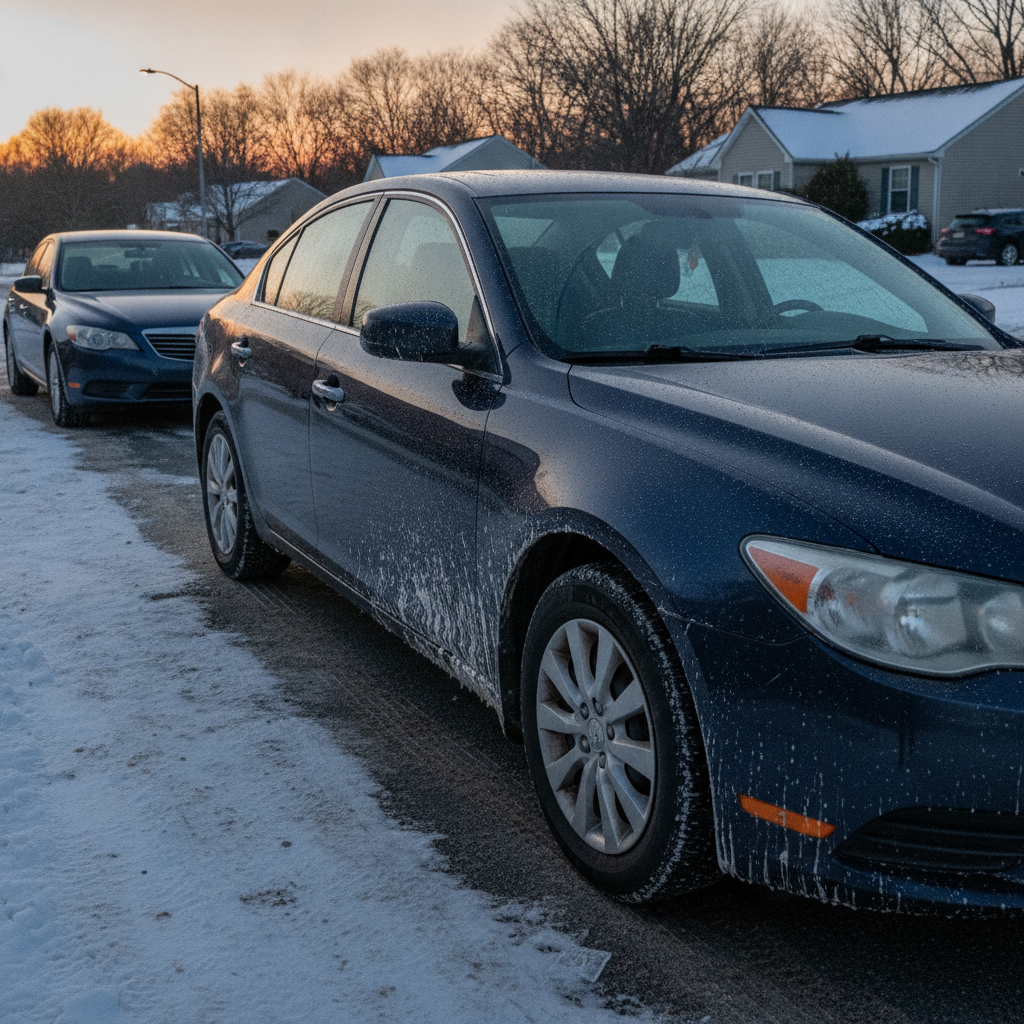
If you drive in Sicklerville or anywhere across South Jersey during the winter months, your vehicle is regularly exposed to one of the most corrosive substances a car can encounter — road salt. Every time road crews treat local highways and residential streets to prevent ice, your vehicle collects salt deposits that work into every crevice of your paint, trim, and undercarriage. Ceramic coating creates a semi-permanent protective layer between your vehicle’s clear coat and that corrosive exposure, making it significantly easier to rinse contaminants away before they have a chance to cause lasting damage. But timing matters, and there’s an important window before winter arrives when getting your vehicle properly prepared makes the most difference.
Why Road Salt Is a Bigger Problem for South Jersey Vehicles Than Many Drivers Realize
Road salt doesn’t just sit on the surface of your paint — it actively draws moisture and accelerates oxidation on any exposed or vulnerable surface. In South Jersey, drivers traveling through areas like Gloucester Township, Berlin, and Blackwood during winter face repeated daily exposure on everything from local surface roads to busy commuter highways. What looks like a dusty residue after a dry-weather drive is actually a combination of salt crystals, brine solution, and road grime that clings to your paint and slowly degrades the clear coat beneath it.
The problem compounds over a season. Each new application of road salt layers on top of residue that hasn’t been fully removed. Most standard car washes don’t strip away this buildup thoroughly, and traditional wax — while better than nothing — breaks down quickly when exposed to repeated salt contact, heavy rain, and freezing temperatures. Once the clear coat is compromised, paint starts to fade, oxidize, and eventually chip, which creates pathways for rust to develop on the body panels underneath.
What makes this especially frustrating for local vehicle owners is that by the time you can see the damage, a fair amount of it has already been done beneath the surface.
How Ceramic Coating Creates a Salt-Resistant Barrier
Ceramic coating bonds directly to your vehicle’s clear coat and cures into a hard, hydrophobic layer that road salt, brine, and winter road grime have a much harder time penetrating. Because of its hydrophobic properties — meaning it actively repels water — salt-laden moisture beads up and rolls off the surface rather than pooling against your paint.
This doesn’t make your vehicle completely immune to the effects of road salt, but it does give you a meaningful advantage. Contaminants don’t bond to the coating surface the way they would to bare clear coat or traditional wax. When you rinse the vehicle, salt residue comes off far more completely with less effort. That’s a practical benefit throughout a full South Jersey winter — fewer harsh washes needed, less risk of introducing swirl marks from aggressive cleaning, and a surface that remains easier to maintain from November through March.
Ceramic coating also holds up in cold weather in a way that traditional wax simply cannot. Wax softens in heat and becomes brittle in freezing conditions, making it ineffective precisely when you need it most. A properly applied ceramic coating maintains its protective characteristics through the full range of South Jersey seasonal temperatures.
You can learn more about the full scope of what ceramic coating offers on the Flash Mobile Detailing ceramic coating page.
The Step Competitors Often Skip: Paint Correction Before Coating
Here’s a detail that many large national brands and online resources gloss over — and it’s one of the most important parts of the process. Ceramic coating locks in whatever condition your paint is in at the time of application. If your vehicle already has light scratches, swirl marks, oxidation, or road salt etching from a previous winter, those imperfections will be preserved under the coating rather than hidden by it.
Before applying ceramic coating to any vehicle, a thorough paint correction process should be performed to address existing surface defects. This typically involves machine polishing to remove light scratches and restore clarity to the clear coat, followed by a decontamination process that strips embedded particles — including any residual road salt contamination — from the surface.
Skipping this step is one of the most common reasons vehicle owners are disappointed with ceramic coating results. If you’re considering a coating application before winter arrives in Sicklerville or surrounding areas like Washington Township or Williamstown, ask the service provider specifically what prep work is included before the coating goes on.
What to Do Before Winter to Protect Your Vehicle in South Jersey
Fall is the right time to act. Getting ceramic coating applied before the first significant winter weather event gives the coating time to fully cure and gives you protection from the very start of salt season. Here’s a general approach that makes sense for South Jersey vehicle owners:
- Schedule a paint decontamination and correction: Remove any existing contamination and surface defects before the coating is applied.
- Apply ceramic coating in a controlled environment: Professional mobile detailers can bring the right tools and work in a location that supports a quality application — your driveway, garage, or another sheltered area.
- Rinse frequently during winter: Even with ceramic coating, periodic rinsing after salt exposure helps prevent buildup. The coating makes this process faster and more effective.
- Avoid automatic tunnel washes with harsh brushes: These can degrade the coating over time. A touchless or hand rinse is gentler on the coated surface.
- Follow up in spring: A post-winter exterior detail removes any residual contamination and lets you inspect the coating’s condition after a full salt season.
For vehicle owners in areas like Cross Keys and Gloucester County who commute daily on highways treated heavily with road brine, this kind of proactive approach pays off clearly in reduced paint wear over the life of the vehicle.
Why Mobile Detailing Makes This Easier for Busy Drivers
One of the practical barriers that keeps many South Jersey drivers from following through on ceramic coating before winter is simply scheduling. Dropping off a vehicle at a shop, arranging a ride, and coordinating pickup adds friction to an already busy week. Mobile detailing removes that obstacle entirely — a professional comes to your home, workplace, or any convenient location in the Sicklerville area and performs the full prep and coating process on-site.
This is especially useful for two-car households, fleet owners, or anyone with a schedule that doesn’t leave room for a traditional shop visit. The work gets done, your vehicle doesn’t leave your driveway, and you start winter with real protection already in place.
Explore the full range of mobile detailing services available through Flash Mobile Detailing to see how the process works from start to finish.
Frequently Asked Questions About Ceramic Coating and Road Salt in South Jersey
Does ceramic coating prevent rust from road salt?
Ceramic coating protects your paint’s clear coat and body panels from salt contamination, which helps reduce the risk of paint degradation that can lead to rust. However, it does not coat the undercarriage, and regular undercarriage rinses during winter remain important for comprehensive rust prevention.
How long does ceramic coating last through South Jersey winters?
A professionally applied ceramic coating typically lasts several years, depending on the grade of product used and how well the vehicle is maintained. South Jersey’s road salt exposure doesn’t significantly shorten that lifespan when the vehicle is rinsed regularly and kept out of harsh brush-style car washes.
Can ceramic coating be applied in cold weather?
Ceramic coating requires specific temperature and humidity conditions to cure properly. In South Jersey, fall is the ideal window — warm enough for a successful application but close enough to winter that you get full protection from the first salt event. Professional applicators will assess conditions before proceeding.
Is it worth getting paint correction before ceramic coating if my car looks okay?
Yes. Even paint that looks clean to the eye often has light swirl marks, micro-scratches, and embedded contamination that become more visible under coating. Paint correction before application ensures you’re locking in a clean, clear surface rather than preserving existing imperfections.
How soon after ceramic coating can I drive in winter weather?
Most professional ceramic coatings require a curing period — typically 24 to 72 hours — during which the vehicle should stay dry and avoid exposure to harsh conditions. Your detailer will give you specific care instructions based on the product used.
Ready to Protect Your Vehicle Before Winter Arrives?
Road salt season comes around every year in Sicklerville and across South Jersey, but the damage it causes doesn’t have to be part of your vehicle’s story. Getting ceramic coating applied this fall — with proper paint prep beforehand — gives your paint a fighting chance against one of the toughest seasonal threats local vehicles face.
Flash Mobile Detailing serves vehicle owners throughout Sicklerville and the surrounding communities in Camden County, Gloucester County, and beyond. Whether you’re in Blackwood, Williamstown, Washington Township, or anywhere nearby, the process is straightforward and comes to you. Reach out through the contact page to ask questions or schedule your pre-winter ceramic coating appointment — before the first frost hits and salt season begins.