
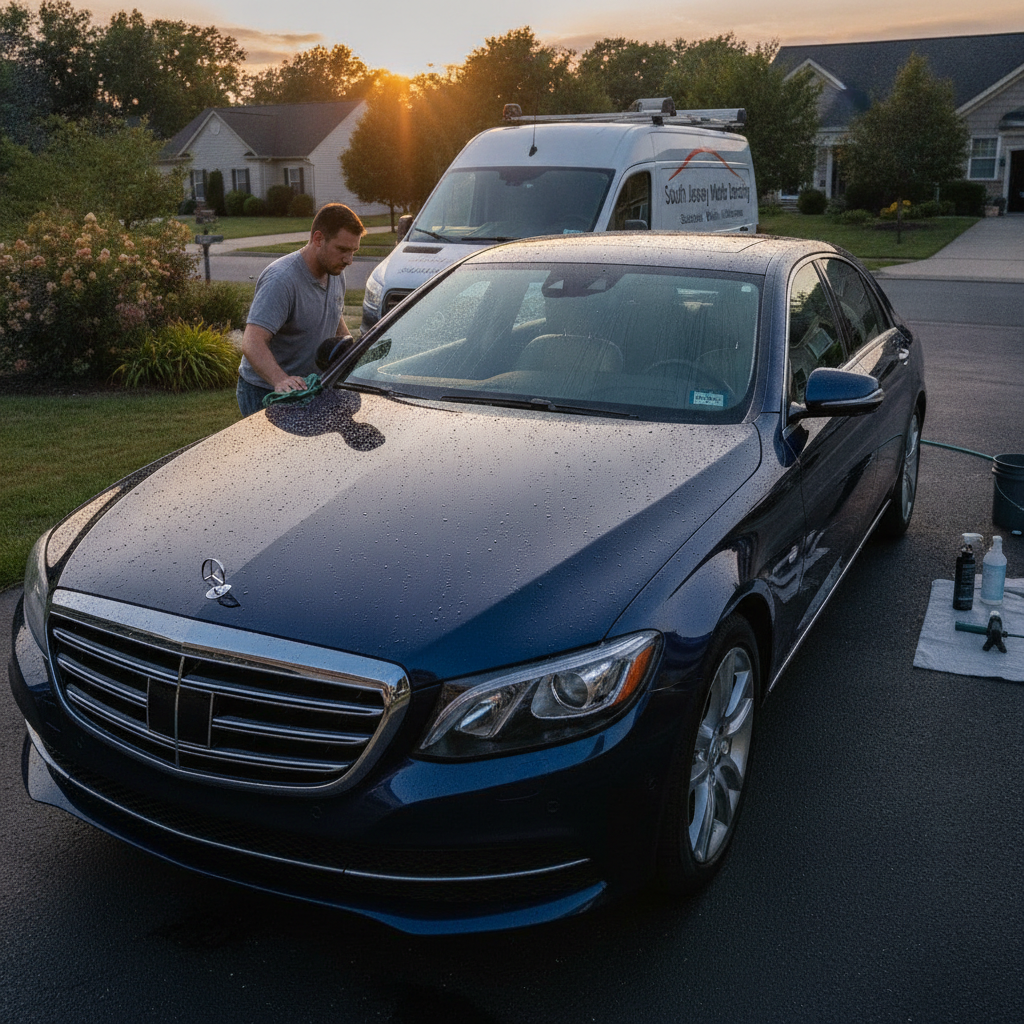
How Does Ceramic Coating Maintenance Work and What Should Car Owners in Gloucester Township Do to Keep It Looking New?
If you recently had ceramic coating applied to your vehicle in Gloucester Township or anywhere in South Jersey, you already made a smart investment in long-term paint protection. But one thing that many car owners do not realize until after the fact is that ceramic coating does require a specific maintenance routine to keep it performing the way it should. The good news is that once you understand what to do — and what to avoid — keeping a coated vehicle looking sharp is much simpler than maintaining uncoated paint.
This guide breaks down exactly what ceramic coating maintenance involves, why it matters in South Jersey’s climate, and what you can do right now to protect your investment for the long haul.
What Ceramic Coating Actually Does to Your Paint Surface
Before getting into maintenance, it helps to understand what you are working with. Ceramic coating bonds to your vehicle’s clear coat and creates a semi-permanent hydrophobic layer. Water beads and rolls off, contaminants have a harder time sticking, and UV rays are partially blocked before they can fade or oxidize the paint underneath.
That protective layer is durable, but it is not indestructible. Harsh chemicals, abrasive wash methods, and neglect can degrade a ceramic coating faster than normal wear and tear. The coating is doing the heavy lifting for your paint — your job is to keep the coating itself in good condition.
You can learn more about what the coating process involves on our ceramic coating service page.
The Right Way to Wash a Ceramic-Coated Vehicle in South Jersey
Washing is where most vehicle owners make mistakes that slowly wear down their coating. Here is what actually works and what to avoid.
Use the Two-Bucket Wash Method
The two-bucket method is straightforward. One bucket holds your clean soapy water, the other holds plain rinse water. After each pass with your wash mitt, rinse it in the clean water bucket before going back to the soap bucket. This keeps grit and contaminants from being dragged across the paint over and over again — the main cause of fine swirl marks that can eventually dull even a coated surface.
Choose pH-Neutral Car Soap
Dish soap, household cleaners, and even some generic car wash products contain surfactants and degreasers that can break down ceramic coatings over time. Use a pH-neutral, coating-safe car shampoo every time you wash. These are widely available and are worth the small upgrade in cost.
Avoid Automatic Tunnel Car Washes
This one surprises a lot of car owners. The spinning brushes and harsh detergents used in most automatic tunnel washes are abrasive enough to introduce micro-scratches and degrade the hydrophobic properties of your coating. If you want the coating to last as long as possible, hand washing is the preferred approach — or professional detailing visits when it is time for a deeper clean.
Dry With a Quality Microfiber Towel
Air drying leaves water spots, especially in areas like Gloucester Township and Washington Township where municipal water tends to have mineral content. After washing, dry the surface immediately using a clean, high-quality microfiber drying towel or a forced-air blower to prevent mineral deposits from etching into the coating.
Seasonal Maintenance Considerations for South Jersey Drivers
South Jersey’s climate puts real demands on vehicle finishes throughout the year. Each season brings a different set of challenges for a ceramic-coated car.
Winter: Road Salt Is the Biggest Threat
Camden County roads get salted heavily through winter, and that salt spray clings to every surface of your vehicle. While ceramic coating provides a barrier that uncoated paint does not have, road salt should still be rinsed off regularly — ideally within a day or two of any significant salt exposure. Letting salt sit and dry repeatedly can still cause damage at panel edges and in areas where the coating may be thinner.
Spring and Summer: Pollen, Tree Sap, and Bird Droppings
Spring in South Jersey brings pollen, and summer means more time parked under trees where sap and bird droppings are a constant threat. Ceramic coating makes these contaminants easier to remove because they bond less aggressively to the surface. That said, bird droppings especially should still be addressed quickly. The uric acid in them is corrosive, and even a coated surface benefits from prompt cleaning.
Fall: Leaves and Moisture
Wet leaves pressed against paint for extended periods can leave tannin stains. After fall rainstorms, rinse your vehicle and check for any leaf debris sitting against painted surfaces or in panel gaps.
What Most Coating Guides Leave Out: Topping and Inspection
This is an area that competitor resources rarely address in any practical depth — and it is one of the most useful things you can know as a vehicle owner.
Even high-quality ceramic coatings benefit from periodic maintenance top-ups. These are spray-on or wipe-on ceramic boosters that refresh the hydrophobic properties of the existing coating without requiring a full reapplication. Many professionals recommend applying a ceramic maintenance spray every three to six months depending on your driving habits and how frequently you wash the vehicle.
These top-up products are not the same as waxing. Traditional wax sits on top of paint and needs to be reapplied frequently because it simply does not bond the same way. A ceramic maintenance spray chemically reactivates the existing coating layer and can meaningfully extend its effective lifespan.
It is also worth scheduling a professional inspection of your coating once a year. A trained detailer can spot areas where the coating is thinning, identify any embedded contamination that has built up, and perform a light decontamination treatment to restore the surface. Think of it like a dental cleaning — regular upkeep prevents the need for much more involved work later.
What to Look for When Choosing a Local Detailer for Coating Maintenance
Not every detail shop that applies ceramic coatings is set up to properly maintain them afterward. When looking for a detailer in the Gloucester Township or Sicklerville area for ongoing coating care, ask these questions:
- Do they use coating-safe, pH-neutral products during maintenance washes?
- Can they perform a decontamination treatment without damaging the existing coating?
- Do they offer ceramic booster or top-up services?
- Are they familiar with the specific brand of coating applied to your vehicle?
- Do they come to you, or do you need to bring the car in?
That last point matters more than people expect. Mobile detailing services like Flash Mobile Detailing eliminate the hassle of drop-offs and scheduling around a shop’s availability. For busy commuters in South Jersey, having a detailer come to your home or workplace makes it far more realistic to stay on a proper maintenance schedule.
You can see the full range of services offered through our mobile detailing page.
Signs Your Ceramic Coating May Need Attention
Knowing when the coating needs professional help is just as important as knowing how to maintain it day to day. Watch for these indicators:
- Water stops beading properly. If water no longer sheets off the way it used to, the hydrophobic layer may be degraded or contaminated.
- The surface feels rough after washing. This can indicate embedded contamination that a standard wash will not remove.
- Dull or flat sections appear on the paint. This may point to areas where the coating has worn through and paint below is beginning to oxidize.
- Water spots form and do not respond to normal cleaning. Mineral etching can occur if spots are left too long, even on a coated surface.
If you notice any of these signs, it is worth reaching out to a professional before the situation progresses and the underlying paint is affected.
Frequently Asked Questions About Ceramic Coating Maintenance in South Jersey
How often should I wash a ceramic-coated car?
Every two weeks is a good baseline for most South Jersey drivers. If you park outdoors, commute daily, or drive through areas with heavy tree cover, more frequent washing helps prevent buildup from becoming a problem.
Can I use any car wash soap on a ceramic-coated vehicle?
Not all soaps are safe. Use a pH-neutral, coating-compatible car shampoo. Avoid dish soap or products with wax additives, which can interfere with the coating’s surface properties.
How long does a ceramic coating last if properly maintained?
With proper care, a professionally applied ceramic coating can last anywhere from two to five years or longer, depending on the product used and how well the vehicle is maintained. Consistent washing habits and periodic top-ups make a significant difference.
Do I still need to wax a ceramic-coated car?
No. Traditional wax is not recommended on ceramic-coated surfaces. If you want to boost the coating’s performance between professional services, use a spray ceramic booster designed specifically for coated vehicles.
Is mobile ceramic coating maintenance available in Gloucester Township and Berlin?
Yes. Flash Mobile Detailing serves Gloucester Township, Berlin, Sicklerville, and the surrounding South Jersey area. Mobile service means you get professional coating care without having to rearrange your schedule around a shop’s hours.
Ready to Keep Your Coating in Top Shape?
Ceramic coating is one of the most effective ways to protect your vehicle’s paint over the long term — but only if it is cared for properly. Whether your vehicle was recently coated or you have had a coating for a year or two and want to make sure it is still performing, Flash Mobile Detailing is here to help.
We come to you across Gloucester Township, Sicklerville, Washington Township, Berlin, and the greater South Jersey area. Reach out today to schedule a coating inspection, maintenance wash, or top-up service. Contact Flash Mobile Detailing to get started.