
How Does Window Tint Film Degrade Over Time and What Should Car Owners in Williamstown Know Before Replacing It?
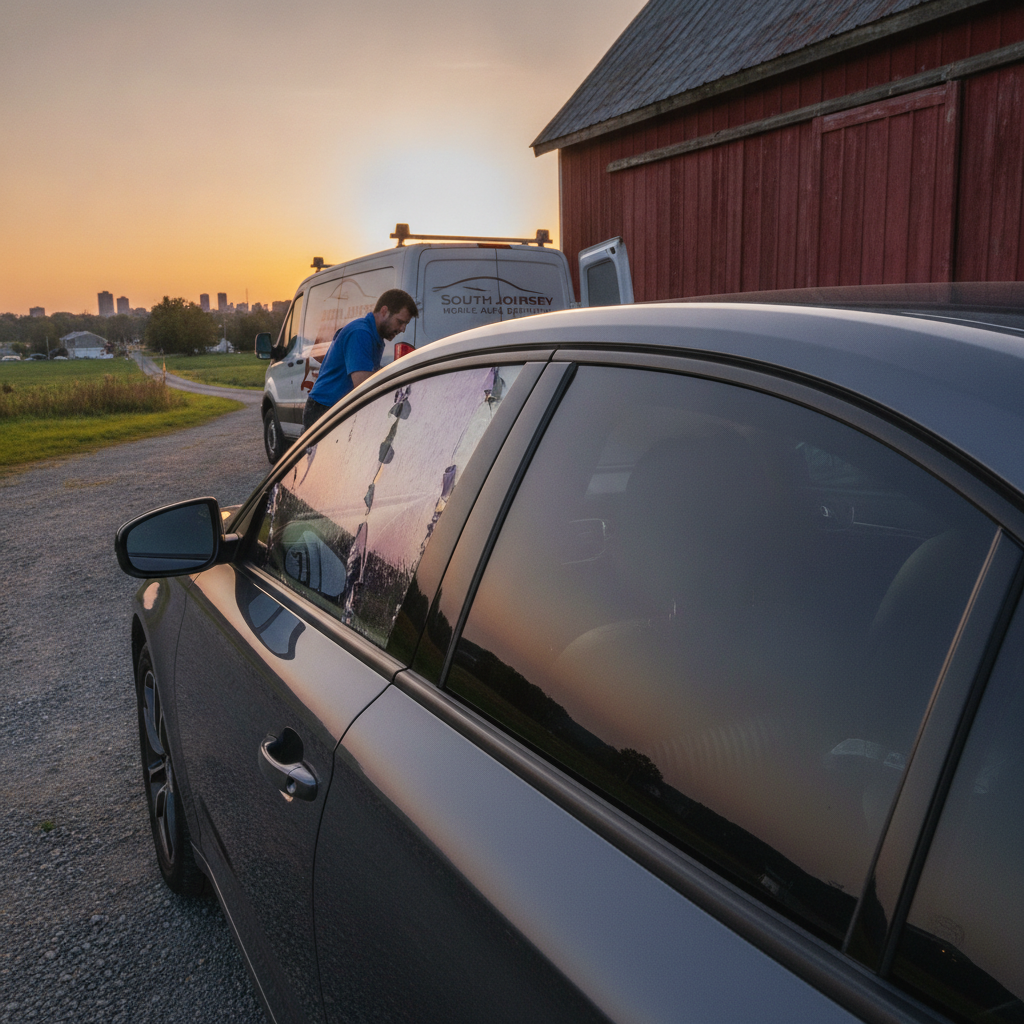
If the tint on your car windows is starting to look purple, bubble at the edges, or peel away from the glass, it’s telling you something important — it’s time to replace it. For car owners in Williamstown and the surrounding areas of South Jersey, understanding how window tint film breaks down over time is the first step toward making a smart decision about replacement. Not all tint film is created equal, and not all installers use the same quality of materials. Knowing what you’re looking at can help you avoid wasting money on a subpar re-tint that will fail just as quickly.
Why Window Tint Film Doesn’t Last Forever
Window tint film is made up of several thin layers bonded together, typically including a polyester base, a dye or metallic layer for light control, an adhesive, and a protective coating. Over time, each of these layers is subject to environmental stress. The South Jersey climate doesn’t do window film any favors — harsh summer UV exposure, road grime from busy routes like Route 42 and the Atlantic City Expressway, winter temperature swings, and even ordinary daily commuting all accelerate wear on older or lower-quality films.
The most important factor in how long your tint lasts is the type of film that was originally installed. Dyed films — the most common and least expensive type — are particularly vulnerable to UV breakdown. The dyes used to create that darker appearance absorb UV rays rather than reflecting them, which causes the color to shift over time. This is why you often see older tint turning an unmistakable shade of purple — the blue dyes in the film fade first, leaving the red tones behind.
Common Signs That Your Window Tint Is Failing
Most car owners in the Williamstown and Gloucester Township area notice the visual signs of tint degradation before they realize what’s actually happening. Here’s what to watch for:
- Bubbling or lifting at the edges: When the adhesive layer breaks down from heat or moisture, air pockets form beneath the film. These bubbles start small but expand over time and cannot be smoothed out — the film needs to come off.
- Purple or reddish discoloration: As mentioned, this is the classic symptom of a dyed film losing its color integrity. Beyond looking bad, a film that has shifted color is also providing far less UV protection than it once did.
- Peeling or cracking edges: Film that peels away from the window perimeter has lost its adhesive bond. This often happens first near the defroster lines on rear windows, where heat cycling is most intense.
- Haziness or reduced clarity: When a film that once looked sharp becomes foggy or scratched-looking, it’s affecting your visibility — and potentially your safety.
- Reduced heat rejection: If your car feels noticeably hotter inside despite having tint, the film has likely degraded past the point of meaningful UV or infrared protection.
What This Means for Your Interior — and Your Resale Value
Here’s a point that most tint-focused content online skips over entirely: failed window tint doesn’t just look bad — it actively stops protecting your interior. Quality tint film blocks a significant portion of the UV rays responsible for fading dashboards, cracking leather seats, and deteriorating trim. Once a film has degraded, that protection is gone. For car owners in Berlin, Washington Township, and other parts of South Jersey who put real mileage on their vehicles, an interior damaged by UV exposure can meaningfully reduce resale value when the time comes to sell or trade in.
Replacing old, failing tint with a quality film is one of the more cost-effective ways to extend the life of your interior. When you combine fresh window tinting with a proper mobile detailing routine, you’re addressing both surface appearance and long-term protection at the same time.
What the Tint Replacement Process Actually Looks Like
One thing that often surprises car owners is that replacing window tint is a two-step job, not just a peel-and-re-apply situation. Before new film can be installed, the old film must be removed completely — along with any adhesive residue left behind on the glass. This residue removal is time-consuming and requires the right tools and technique to avoid scratching the glass or damaging rear defroster lines.
Once the glass is fully cleaned and prepped, the new film is cut to fit each window precisely and applied using a slip solution that allows the installer to position the film correctly before it bonds to the glass. The film is then squeegeed to remove any moisture and air from beneath it, and a curing period follows — typically a few days — during which the adhesive fully sets. During this time, it’s normal to see some haziness or small water pockets that disappear on their own as the film cures.
For a professional result that lasts, surface prep and precision cutting matter as much as the film itself. This is where cutting corners shows up quickly — rushed installs leave edges that lift and adhesive that bubbles within months.
New Jersey Tint Laws: What to Know Before You Replace
If you’re replacing tint in the Williamstown area or anywhere in New Jersey, it’s worth understanding what the law allows. New Jersey has specific regulations on window film darkness, and a reputable installer will always work within those limits. For passenger vehicles, the front side windows must allow at least 70 percent of light to pass through. The rear side windows and rear window are more flexible for non-commercial vehicles, but it’s still important to confirm what’s permitted for your specific vehicle type before choosing a film shade.
Working with a knowledgeable local installer means you won’t have to guess — they’ll guide you toward compliant options that still give you the heat rejection and privacy benefits you’re looking for. You can explore film options and what’s available for your vehicle by visiting the car window tint page for more information.
Why Generic or Budget Tint Installs Fall Short
There’s a wide range in quality between what a dedicated local professional installs and what you might get from a quick-turnaround shop or a self-install kit. Budget dyed films degrade faster under South Jersey’s summer sun and winter temperature swings. They may look similar when freshly applied, but within a year or two, that purple cast and bubbling tell the story. Carbon and ceramic films cost more upfront but hold their clarity, maintain their UV rejection properties, and simply last longer.
The installer’s experience also makes a real difference. Removing old adhesive cleanly, cutting film accurately to avoid light gaps at the edges, and managing rear defroster lines without damaging them are all skills that develop through hands-on practice — not something a DIY kit or a rushed installer delivers consistently.
Frequently Asked Questions About Window Tint Replacement in South Jersey
How long does window tint typically last before it needs to be replaced?
This depends heavily on the type of film installed. Basic dyed films often begin showing signs of degradation within three to five years under regular South Jersey sun exposure. Higher-quality carbon or ceramic films can last ten years or more with proper care. If you’re unsure what film was previously installed on your vehicle, a professional can assess it during a consultation.
Can I just add new tint on top of old tint that’s failing?
This is not recommended. Applying new film over old, failing film leads to poor adhesion, visible bubbling, and an uneven appearance. The old film must be removed and the glass thoroughly cleaned before new tint is installed. Skipping this step guarantees a short lifespan for the new film as well.
Will removing old tint damage my rear window defroster lines?
When done carefully with the right tools and technique, tint removal should not damage defroster lines. The risk of damage comes from using improper tools or excessive force. A professional installer with experience in tint removal will take the necessary precautions to protect your rear window.
Does failing tint still provide any UV protection?
Once a dyed film has begun to discolor or bubble, its UV-blocking capability is significantly reduced. The film is no longer functioning as intended, which means your interior is receiving more UV exposure than it should. Replacing it promptly helps protect your dashboard, seats, and trim from further damage.
How do I know what tint shade to choose when replacing old film?
A reputable installer will walk you through your options based on New Jersey’s legal limits, your vehicle type, and your personal preferences for heat rejection, privacy, and appearance. There’s no one-size-fits-all answer, but a professional consultation makes the decision straightforward.
Ready to Replace Your Failing Window Tint in Williamstown or South Jersey?
If your window tint is showing any of the signs described above, waiting rarely improves the situation — it just means more UV damage to your interior in the meantime. Flash Mobile Detailing serves Williamstown, Sicklerville, Berlin, and communities throughout Camden County and Gloucester County with professional auto window tinting services using quality film and careful installation. Whether you need a full replacement on an older vehicle or are upgrading to a better film grade, the team is ready to help you make the right call for your car and your budget. Reach out through the contact page to schedule a consultation and get started.