
How Does Window Tint Keep Your Car Cooler in Summer and Is It Worth It for Drivers in Voorhees and South Jersey?
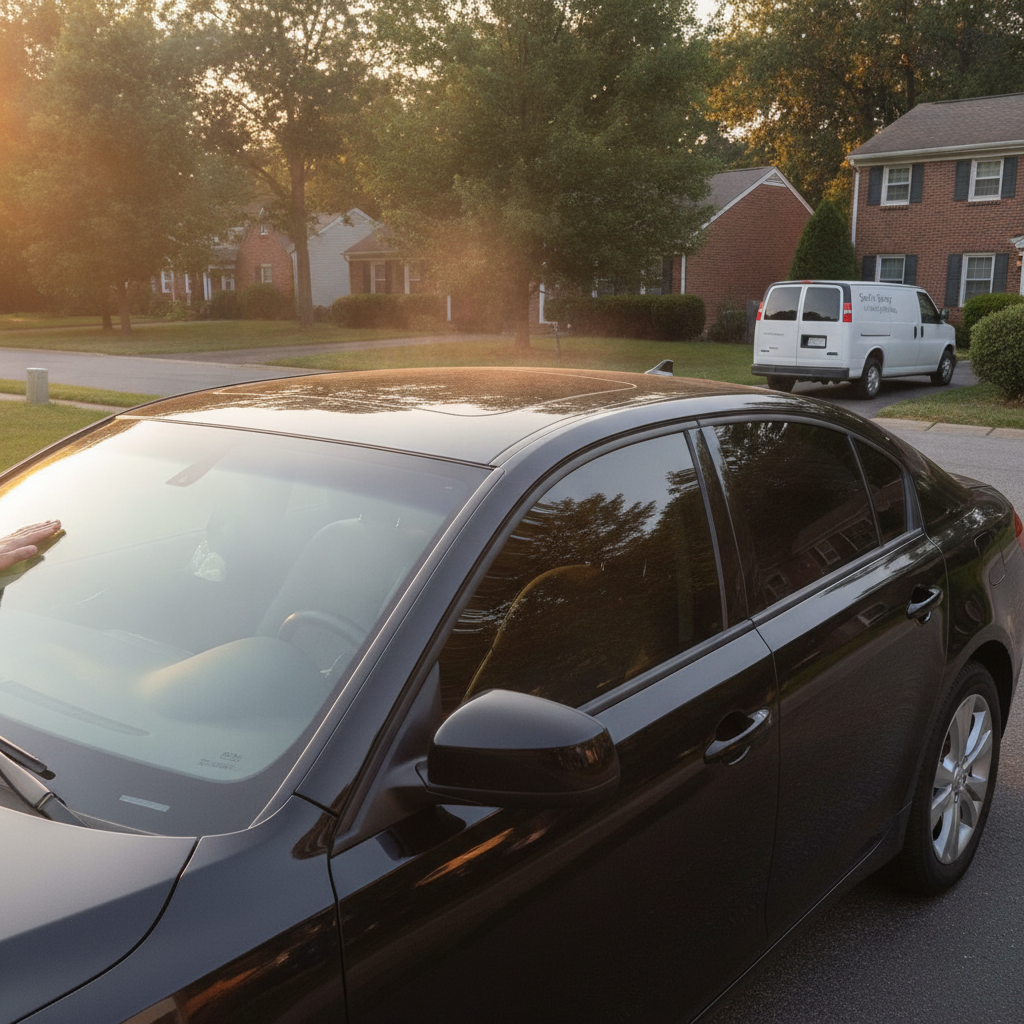
Yes — window tint genuinely keeps your car cooler in summer, and for drivers in Voorhees and across South Jersey, it can make a noticeable difference every single day. Quality window film blocks a significant portion of the heat-producing infrared radiation that pours through your glass on hot days, reducing interior temperatures and making your air conditioning work less hard. It also filters out ultraviolet rays that fade dashboards, crack leather seats, and damage upholstery over time. If you park outside regularly or spend time commuting on routes like Route 73 or the Atlantic City Expressway during July and August, you already know how brutal that sun exposure can get.
Why Summer Heat Is Such a Real Problem for South Jersey Vehicles
South Jersey summers are consistently humid and hot. Vehicles parked in open lots — whether at a shopping center in Voorhees, a commuter parking area near Cherry Hill, or a neighborhood street in Blackwood — routinely reach interior temperatures well above 130°F on a clear summer afternoon. That kind of heat doesn’t just make your first few minutes in the car uncomfortable. It actively degrades your interior over time.
Dashboard plastics warp and crack. Leather and vinyl dry out and split. The adhesives holding trim pieces together weaken. Electronics can overheat. And your air conditioning system has to work overtime to bring cabin temperatures down, which increases wear on your vehicle’s components and hurts fuel efficiency. Window tint addresses the root cause rather than just the symptom — it reduces how much heat enters the cabin in the first place.
What Window Tint Actually Blocks — and What It Doesn’t
This is an area where a lot of general information online falls short. Many sources treat window tint as though it’s simply about darkness — the darker the tint, the cooler the car. That’s not quite accurate, and it leads some drivers to make decisions they later regret.
Window film works by blocking three types of energy from the sun:
- Ultraviolet (UV) rays — responsible for fading, cracking, and long-term interior damage. Most quality films block 99% of UV regardless of how dark or light the tint appears.
- Infrared (IR) radiation — this is what generates heat. High-performance ceramic and carbon films are specifically engineered to reject infrared rays, which is why they can keep a car noticeably cooler even at lighter VLT (visible light transmission) percentages.
- Visible light — this is the darkness factor most people think of. It affects privacy and glare reduction but is not the primary driver of heat rejection.
A cheap dyed film might darken your windows but offer very little infrared rejection. A higher-quality ceramic film, by contrast, can block a substantial portion of infrared energy while remaining light enough to comply with New Jersey’s tint laws. Understanding this difference is important when you’re choosing what’s right for your vehicle.
New Jersey Tint Laws: What Voorhees and South Jersey Drivers Need to Know
New Jersey has specific regulations governing how dark window tint can be on passenger vehicles. The front side windows must allow at least 70% of light through. The rear side windows and rear windshield have more flexibility, though regulations still apply. Any tint that brings your front windows below the 70% VLT threshold is not street legal in New Jersey, regardless of how it looks from the outside.
The good news is that a high-quality ceramic or carbon film can still deliver meaningful heat rejection and UV protection while staying within those legal limits. A professional installer will measure and recommend films that keep you compliant without sacrificing performance. This is one reason why working with a knowledgeable local provider matters — generic online retailers selling films by the roll won’t advise you on legal thresholds, and installing a non-compliant tint can result in a fix-it ticket during a routine traffic stop.
If you’re considering car window tint for your vehicle, it’s worth having a conversation with someone who knows the current New Jersey standards and can walk you through what’s available within those parameters.
The Practical Difference Between Tint Film Types
Not all window films are created equal, and this is a gap that many larger national websites gloss over. Here’s a quick breakdown of what you’ll typically encounter:
- Dyed film — the most affordable option. It absorbs some light and reduces glare but offers limited heat rejection. It can also fade over time and develop a purple tint as the dye breaks down. Fine for basic privacy, not ideal for serious heat management.
- Carbon film — a step up from dyed film. It doesn’t fade, offers better infrared rejection, and maintains a consistent appearance over years. A good middle-ground option for many drivers.
- Ceramic film — the premium choice. It uses nano-ceramic particles to block infrared radiation without interfering with electronics or signals. It won’t fade, performs significantly better in terms of heat rejection, and maintains clarity. If you regularly park in the sun around Berlin, Washington Township, or Gloucester Township, this is the tier worth considering seriously.
Heat Rejection Isn’t Just About Comfort — It Protects Your Vehicle’s Value
Drivers often think of window tint as a comfort or aesthetics upgrade. It’s both of those things, but it also plays a quiet role in protecting your vehicle’s long-term resale value. A sun-damaged interior — cracked leather, a warped dash, bleached upholstery — signals neglect to potential buyers and reduces what your vehicle is worth on the market. Preventing that damage over several years of South Jersey summers is a real return on the investment.
This is especially relevant if you drive a higher-trim vehicle with leather seating or a premium interior package. Protecting those surfaces from UV and heat exposure over time keeps your resale position stronger. Combined with regular detailing and paint protection, auto window tinting is one of the more practical steps you can take toward preserving your vehicle’s condition.
What to Expect From the Installation Process
Professional window tint installation on a standard passenger vehicle typically takes a few hours, depending on the number of windows and the complexity of the vehicle’s glass shape. The film is precision-cut, cleaned, and carefully applied to the interior surface of each window. Most installers recommend avoiding rolling windows down for a day or two while the film fully cures and adheres.
A professional shop or mobile provider will also clean and prep each window surface before installation to avoid bubbles, debris, or lifting edges down the road. These are details that matter for the longevity and appearance of the film — and they’re also things that DIY kits rarely account for properly, especially in humid conditions common to South Jersey summers where curing times can be affected by heat and moisture.
Frequently Asked Questions About Window Tint and Summer Heat in South Jersey
How much cooler can window tint actually make my car?
It depends on the film type and your specific vehicle, but quality ceramic films can reduce interior temperatures meaningfully on sunny days — enough to make a noticeable difference in how quickly your car cools down and how hard your AC has to work. Results vary based on how much glass surface your vehicle has and where you typically park.
Will window tint interfere with my GPS, phone signal, or toll transponder?
Metalized films can sometimes cause interference with electronics, but ceramic and carbon films generally do not. If you use E-ZPass or rely heavily on GPS navigation — common for daily commuters in the Voorhees, Sicklerville, and Cherry Hill areas — ceramic film is worth considering specifically for this reason.
How long does window tint last before it needs to be replaced?
A professionally installed, quality film can last many years — often a decade or more with proper care. Lower-end dyed films typically have a shorter lifespan and may begin to fade, bubble, or discolor after a few years, especially in vehicles that see a lot of direct sun exposure.
Is window tint worth it if I already have factory-tinted glass?
Factory glass often has a slight tint for aesthetics, but it typically does not offer significant UV or infrared protection. Adding a quality film over factory glass can meaningfully improve heat rejection and UV blocking — something that many South Jersey drivers don’t realize until they make the comparison themselves.
Can window tint be installed on all windows, including the windshield?
In New Jersey, windshield tinting is restricted — only a non-reflective tint strip along the top of the windshield is typically permitted. Side and rear windows are where most of the practical protection is applied. A professional installer will advise you on exactly what’s allowable for your vehicle under current state law.
Ready to Stay Cooler This Summer?
If you’re tired of climbing into a hot car every afternoon, dealing with glare on your daily commute, or watching your interior slowly age from sun exposure, window tint is one of the most practical upgrades you can make. Flash Mobile Detailing serves drivers throughout Voorhees, Sicklerville, and surrounding South Jersey communities with professional window tinting services using quality films that balance performance, aesthetics, and legal compliance.
Reach out today to discuss what film options make sense for your vehicle and your driving habits. You can contact Flash Mobile Detailing here to request a consultation or get more information — no pressure, just straightforward answers from a local team that knows South Jersey vehicles.