
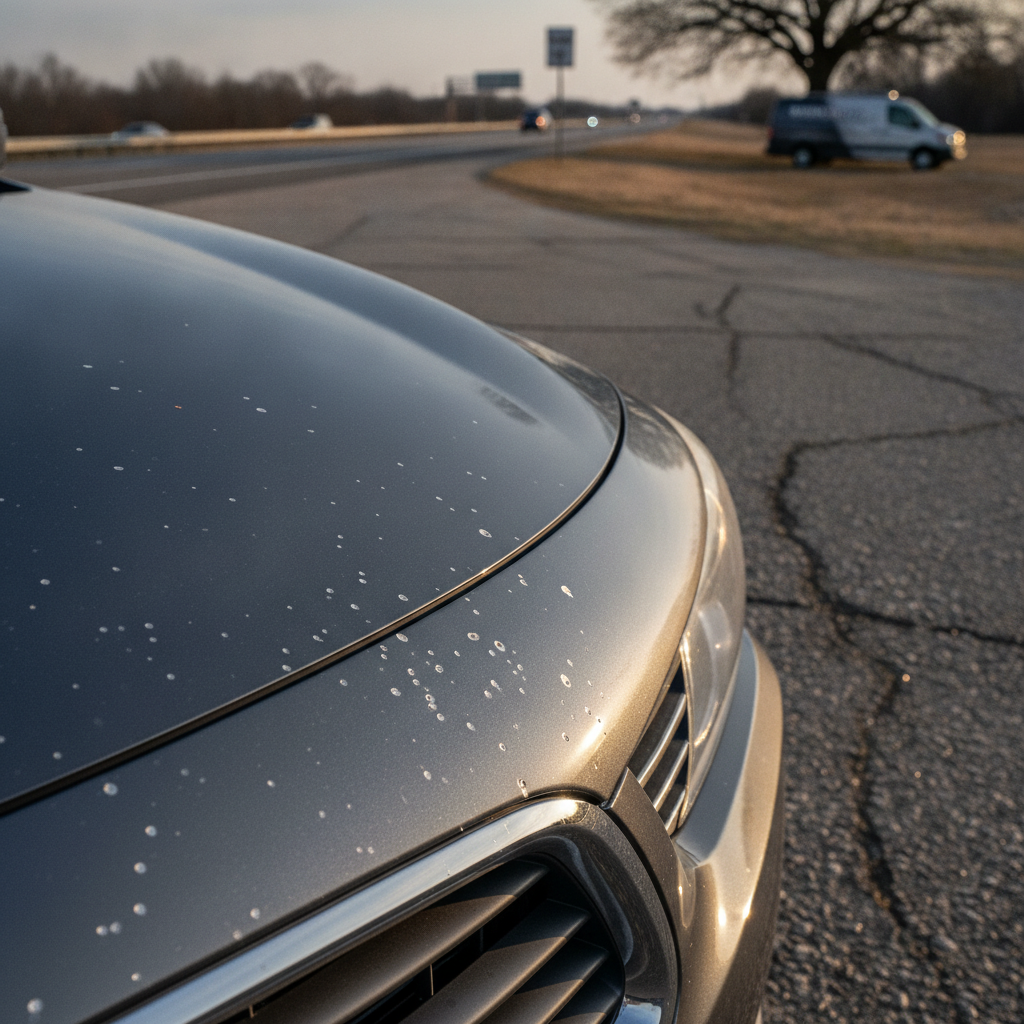
How Does Road Debris and Highway Driving Damage Your Car’s Paint in Gloucester Township and What Can You Do to Stop It?
If you drive regularly in Gloucester Township — whether you’re commuting along Route 42, navigating the Black Horse Pike, or heading toward the AC Expressway — your car’s paint is absorbing more damage than you probably realize. Road debris including loose gravel, sand, construction materials, and small rocks gets kicked up by other vehicles at highway speeds and hits your paint with enough force to chip through the clear coat. Over time, this kind of exposure doesn’t just affect how your vehicle looks — it opens the door to rust, corrosion, and significantly lower resale value. The good news is that professional paint protection services can slow that damage down considerably.
What Exactly Is Road Debris and Why Is It So Damaging at Highway Speeds?
Road debris is any loose material sitting on or near the road surface that gets displaced by moving vehicles. At 55 to 70 miles per hour, even a small piece of gravel can strike your hood, bumper, or quarter panels with considerable impact. At that speed, the energy transferred to your paint surface is enough to chip through your clear coat — the thin protective layer sitting on top of your actual color coat — and sometimes penetrate down to bare metal.
The front end of your vehicle takes the hardest hits: the hood, front bumper, headlight surrounds, and the lower portions of your doors. If you’ve noticed small white or light-colored specks starting to appear on your hood after months of highway driving, those are likely rock chips. Left untreated, those exposed spots attract moisture, road salt during South Jersey winters, and contaminants that can slowly eat into the metal beneath and start the rusting process.
Construction zones — and there’s no shortage of those in Camden County and Gloucester County — make this even worse. Fresh asphalt, loose aggregate, and gravel spread from construction vehicles can cause a season’s worth of chip damage in a single drive if you’re unlucky enough to follow a dump truck too closely.
How South Jersey Roads Make This Problem Worse Than Most Drivers Expect
South Jersey’s road network is heavily traveled, and that traffic load means consistent debris accumulation. Beyond the highways themselves, seasonal road treatments add another layer of risk. When temperatures drop and road salt gets applied through the winter months, that salt doesn’t just sit on the road — it gets sprayed in fine mist form across everything behind and around moving vehicles. When that salt reaches an area where your clear coat has already been chipped or compromised by road debris, corrosion can set in faster than you’d expect.
Residents and commuters in neighborhoods like Blackwood, Washington Township, and the areas surrounding Sicklerville who travel daily on major roadways often don’t notice the cumulative effect until the paint starts looking dull, the chips become visible, or rust begins to bubble at the surface. At that point, what could have been a straightforward protection job may require paint correction work first.
What Does Road Debris Damage Actually Look Like Over Time?
This is one of the areas where most competitor content falls short — they explain what ceramic coating or paint protection does, but rarely walk you through the actual progression of road debris damage so you know what to watch for on your own vehicle.
Here’s what the typical damage timeline looks like for a vehicle driven regularly on South Jersey highways without any protective coating:
- Months 1–6: Microscopic scratches and early chip marks appear on the hood and front bumper. Hard to see in direct sunlight but visible at certain angles.
- 6–18 months: Chips become more visible. Clear coat begins to lift at chip edges. Dirt and contaminants settle into damaged areas, making them harder to clean.
- 18 months and beyond: Rust may begin forming at exposed metal spots, particularly if road salt has reached those areas. Paint may start to look uneven or faded around impact zones.
At any point in this timeline, a professional detailer can assess where your paint stands and recommend the right course of action — whether that’s a light decontamination and protective coating, or a more involved paint correction before protection is applied.
How Paint Correction Fits Into the Solution
If your paint has already taken some damage from road debris, applying a protective coating directly over existing chips and scratches won’t fix the underlying issue — it’ll just lock those imperfections in place. That’s why many vehicles benefit from a paint correction step first. Paint correction uses machine polishing to reduce or remove surface-level scratches, oxidation, and minor chip edges before any protective product is applied.
Once the surface is properly prepared, applying a ceramic coating creates a semi-permanent hardened layer over your paint that is far more resistant to rock chips, road grime, and environmental contaminants than an unprotected or wax-coated surface. It doesn’t make your paint bulletproof, but it significantly raises the threshold of what it takes to cause damage — and it makes routine cleaning much easier in the process.
What to Look For in a Local Detailing Provider for Road Debris Protection
When you’re evaluating who to trust with paint protection work, there are a few questions worth asking upfront:
- Do they inspect your paint before recommending a coating, or do they apply the same package to every car?
- Do they perform paint decontamination and surface prep before coating application?
- Are they applying professional-grade ceramic products, or consumer-grade alternatives?
- Can they show you examples of their work on vehicles similar to yours?
Generic national chains and discount detailing services often skip preparation steps to save time. That shortcut can mean a coating that doesn’t bond correctly, fails sooner than expected, or traps existing contaminants under the surface. A mobile detailing provider who works on your vehicle directly — at your home or workplace — gives you the opportunity to be present, ask questions, and see the process firsthand.
For drivers in areas like Cherry Hill, Voorhees, and throughout Camden County who want the convenience of not dropping their vehicle off and waiting, mobile detailing brings professional-grade service to wherever you are.
Practical Tips for Protecting Your Paint Between Professional Services
Between professional detailing and coating appointments, there are a few habits that help reduce road debris damage:
- Increase your following distance behind trucks and commercial vehicles on highways — the further back you are, the less debris reaches your paint.
- Rinse your vehicle more frequently during construction season or winter months to remove embedded grit before it scratches during a wash.
- Avoid automated tunnel car washes with stiff brushes, which can grind debris into your paint instead of rinsing it away.
- If you notice a fresh chip, address it quickly — the longer bare metal is exposed, the sooner rust can take hold.
Frequently Asked Questions
Can ceramic coating prevent rock chips entirely?
Ceramic coating adds a hardened layer of protection that makes your paint more resistant to minor road debris and surface contamination, but it won’t stop a direct rock chip impact the way a thicker film product might. It significantly reduces the likelihood of minor chips and makes your paint easier to clean and maintain between services.
How do I know if my paint needs correction before a protective coating is applied?
A professional detailer will inspect your paint under proper lighting before making any recommendations. If you have visible scratches, oxidation, or older chip damage, correction work is typically recommended before coating to ensure the product bonds to a clean, smooth surface.
Is road debris damage covered by car insurance in New Jersey?
In many cases, comprehensive auto insurance covers rock chip and road debris damage, particularly to windshields. For paint damage, coverage depends on your specific policy. It’s worth contacting your insurer to clarify what’s included before assuming out-of-pocket costs.
How long does a ceramic coating last on a vehicle driven on South Jersey highways regularly?
Coating longevity depends on the product used, how well it was applied, and how the vehicle is maintained afterward. A professionally applied coating on a properly prepped surface can last several years even under regular highway driving conditions, though maintenance washes and periodic inspections help extend that lifespan.
Does mobile detailing provide the same quality as a fixed detail shop for paint protection work?
Yes — professional mobile detailers use the same products and techniques as fixed-location shops. The advantage for busy commuters in Gloucester Township, Sicklerville, and surrounding areas is that you don’t have to rearrange your schedule around a shop visit. The work comes to you.
Ready to Protect Your Paint From Road Damage?
If your vehicle is taking daily hits from highway driving in South Jersey, now is a practical time to think about professional protection before that damage compounds. Flash Mobile Detailing serves Gloucester Township, Sicklerville, and the surrounding communities with professional ceramic coating, paint correction, and exterior detailing — brought directly to your location. To find out what your vehicle needs and get a personalized recommendation, reach out through the contact page and one of our team members will be in touch to discuss your options.