
Does Pollen Season Damage Your Car’s Paint in Deptford and South Jersey and What Can You Do to Protect It?
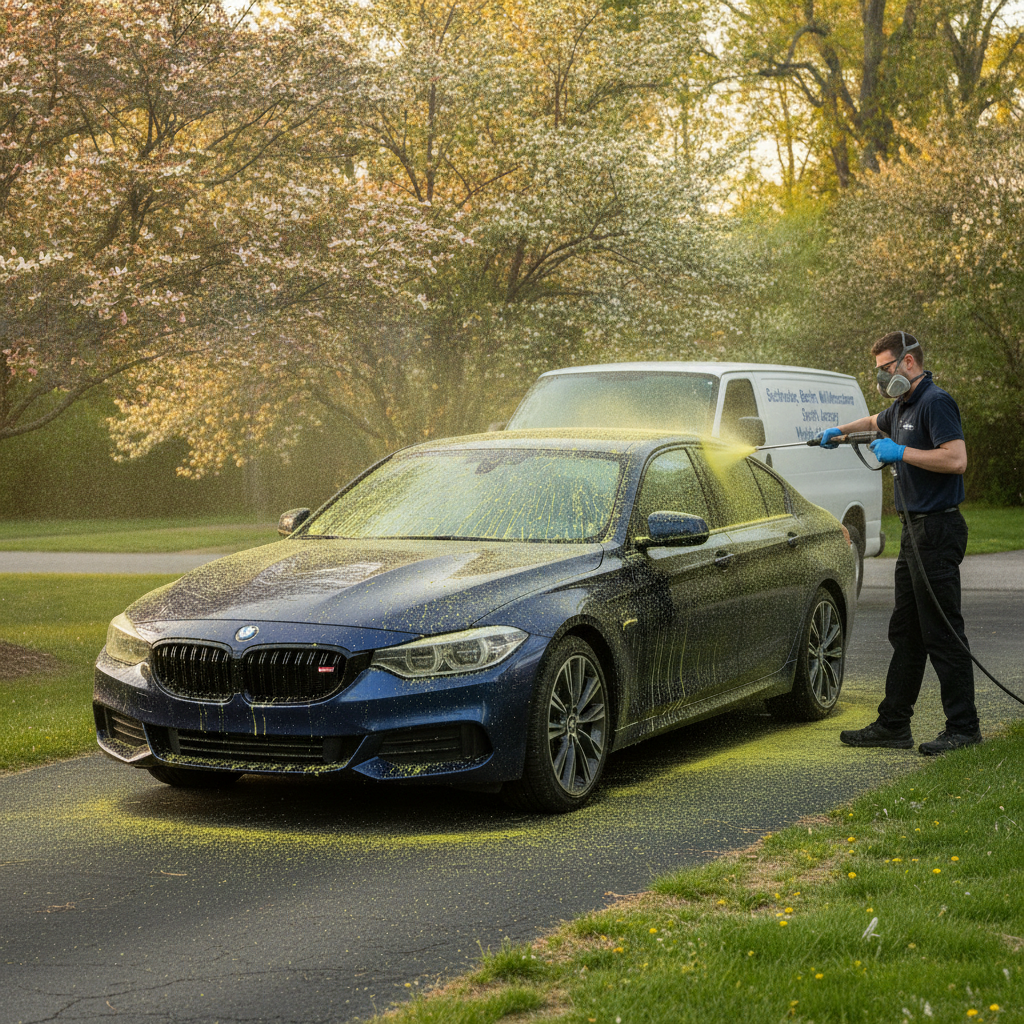
Yes — pollen can absolutely damage your car’s paint, and if you live in Deptford, Sicklerville, or anywhere across South Jersey, spring season is one of the most underestimated threats to your vehicle’s exterior. Most drivers see yellow-green dust blanketing their hoods and think it’s just a cosmetic nuisance. In reality, pollen that sits on your paint — especially when it gets wet — can begin to etch into your clear coat within a matter of days. The good news is that with the right approach, this kind of damage is entirely preventable.
Why Pollen Is More Damaging Than It Looks
Pollen grains aren’t smooth. Under a microscope, they have jagged, spiky surfaces that act almost like tiny pieces of grit resting on your paint. That alone is enough to cause light surface scratches if you try to wipe pollen off with a dry cloth. But the bigger danger comes when pollen mixes with morning dew, rain, or humidity — which happens constantly in South Jersey throughout spring and early summer.
When pollen gets wet, it becomes slightly acidic. That acidic residue can bond to your clear coat and, over time, begin to break it down. If left unaddressed for long periods, you may start to notice dull patches, rough-feeling paint, or faint staining — especially on lighter-colored vehicles. What started as seasonal dust can end up requiring paint correction to fully resolve.
Drivers in Gloucester County and Camden County deal with this every year, often without realizing the cause. Trees like oak, birch, and pine are widespread across the region, and their pollen output during peak spring weeks can be substantial.
The Gap Most Car Care Guides Miss: Pollen as a Chemical Threat, Not Just a Mess
Here’s something that many generic car care resources — including content from large national chains and DIY product sites — tend to gloss over: they frame pollen removal as a simple cleaning task rather than an ongoing chemical threat. They’ll tell you to rinse your car more often in spring, which is sound advice, but they rarely explain why timing matters so much or what happens to paint that doesn’t have a protective layer in place.
For drivers in areas like Washington Township or Blackwood who park under trees or deal with extended pollen seasons, the difference between a protected and unprotected paint surface can mean hundreds of dollars in paint correction services down the line. That’s a real cost that’s worth understanding before it becomes a problem.
How Ceramic Coating Creates a Barrier Against Pollen Damage
One of the most practical ways to protect your vehicle from pollen — and from the chemical damage it carries — is to have a ceramic coating professionally applied. A ceramic coating bonds to your paint and creates a hard, hydrophobic surface layer that pollen, moisture, and acidic contaminants have a much harder time penetrating.
Because the surface repels water so effectively, pollen is less likely to stick and bond with your clear coat in the first place. When rain or morning dew does hit a ceramic-coated surface, it sheets off rather than pooling — taking a lot of that pollen with it. And when you do wash the car, contaminants release much more easily, reducing the risk of scratching the paint during the cleaning process itself.
Ceramic coating isn’t a permanent force field, but it does dramatically reduce the work your paint has to do against seasonal threats like pollen, UV exposure, and the kind of road grime that builds up from daily commuting on South Jersey highways.
What to Do Before Coating: Paint Condition Matters
If your vehicle has already been through a few pollen seasons without protection, there may be some surface-level etching or marring in the clear coat. In that case, paint correction is typically recommended before applying any ceramic coating. Coating over existing swirl marks or chemical etching locks those imperfections in place rather than addressing them. A professional detailer will assess your paint condition first and walk you through what preparation your vehicle actually needs.
Practical Steps for Deptford and South Jersey Drivers During Pollen Season
Whether or not you’ve had a ceramic coating applied, there are things you can do right now to reduce pollen-related paint damage during spring and early summer.
- Rinse your car frequently. A gentle rinse with a hose or pressure washer every few days during peak pollen weeks helps flush the surface before pollen has a chance to bond. Skip the dry wipe — always wet the surface first.
- Avoid wiping dry pollen with a cloth. Dragging pollen across paint with a microfiber or paper towel is one of the fastest ways to create fine scratches. Always rinse first.
- Park in a garage when possible. If you have access to covered parking, use it during the heaviest pollen weeks. Even a carport helps reduce accumulation significantly.
- Schedule a thorough exterior detail in late spring. A professional exterior detailing service removes bonded contaminants that rinsing alone can’t address. This is also a good time to assess whether your paint needs correction or added protection.
- Don’t wait until you see damage. By the time pollen etching is visible to the naked eye, it’s already happened. Prevention is always less expensive than repair.
Why Mobile Detailing Makes Seasonal Protection Easier for Busy Drivers
One reason South Jersey drivers skip important seasonal detailing is simple: finding time to drop off a vehicle and wait for it isn’t realistic for most people with work schedules, kids, and daily obligations. That’s exactly where mobile detailing makes a real difference.
Flash Mobile Detailing comes to you — whether you’re at home in Gloucester Township, at work in Deptford, or anywhere else in the service area. There’s no trip to a shop, no waiting around, and no rearranging your day. You get professional-grade detailing and protection services handled right in your driveway or parking lot, which makes it much easier to stay on top of seasonal threats like pollen without putting it off until real damage has set in.
Frequently Asked Questions About Pollen and Car Paint in South Jersey
How quickly can pollen damage my car’s paint?
In warm, humid conditions like those common in South Jersey during spring, pollen that gets wet and sits on your paint can begin to cause etching within a few days. Vehicles parked outdoors under trees are at higher risk and should be rinsed more frequently during peak pollen season.
Can I just run my car through an automatic car wash to remove pollen?
Automatic car washes can remove loose pollen, but they often use stiff brushes or recycled water that introduces new contaminants. A hand rinse or professional exterior detail is gentler on your paint and more effective at removing pollen that has already bonded to the surface.
Does ceramic coating prevent pollen from sticking to my car?
Ceramic coating doesn’t make pollen completely unable to land on your vehicle, but its hydrophobic properties significantly reduce how easily pollen bonds to the surface. It also makes removal much easier and safer, which lowers the risk of scratching during cleaning.
Is pollen damage covered under my car’s paint warranty?
Most factory paint warranties do not cover damage caused by environmental contaminants like pollen, bird droppings, or tree sap. Protecting your paint proactively with a ceramic coating or regular professional detailing is the most reliable way to prevent this kind of damage.
When is the best time to schedule a detail to protect against pollen in South Jersey?
Early spring — before pollen season peaks — is an ideal time to schedule exterior detailing and discuss ceramic coating with a professional. If you’ve already been through a full pollen season, late spring or early summer is a good window to address any damage and apply protection before summer UV exposure compounds the problem.
Ready to Protect Your Paint Before Pollen Does Its Damage?
If you’re in Deptford, Sicklerville, Gloucester Township, or anywhere across South Jersey, Flash Mobile Detailing is ready to help you get ahead of seasonal paint threats — not just react to them after the damage is done. From thorough exterior detailing to professional ceramic coating, the right protection is closer and more convenient than you might think.
Reach out today to talk through what your vehicle needs this season. Contact Flash Mobile Detailing to schedule your appointment or ask any questions — the team is happy to walk you through the right approach for your specific vehicle and situation.