
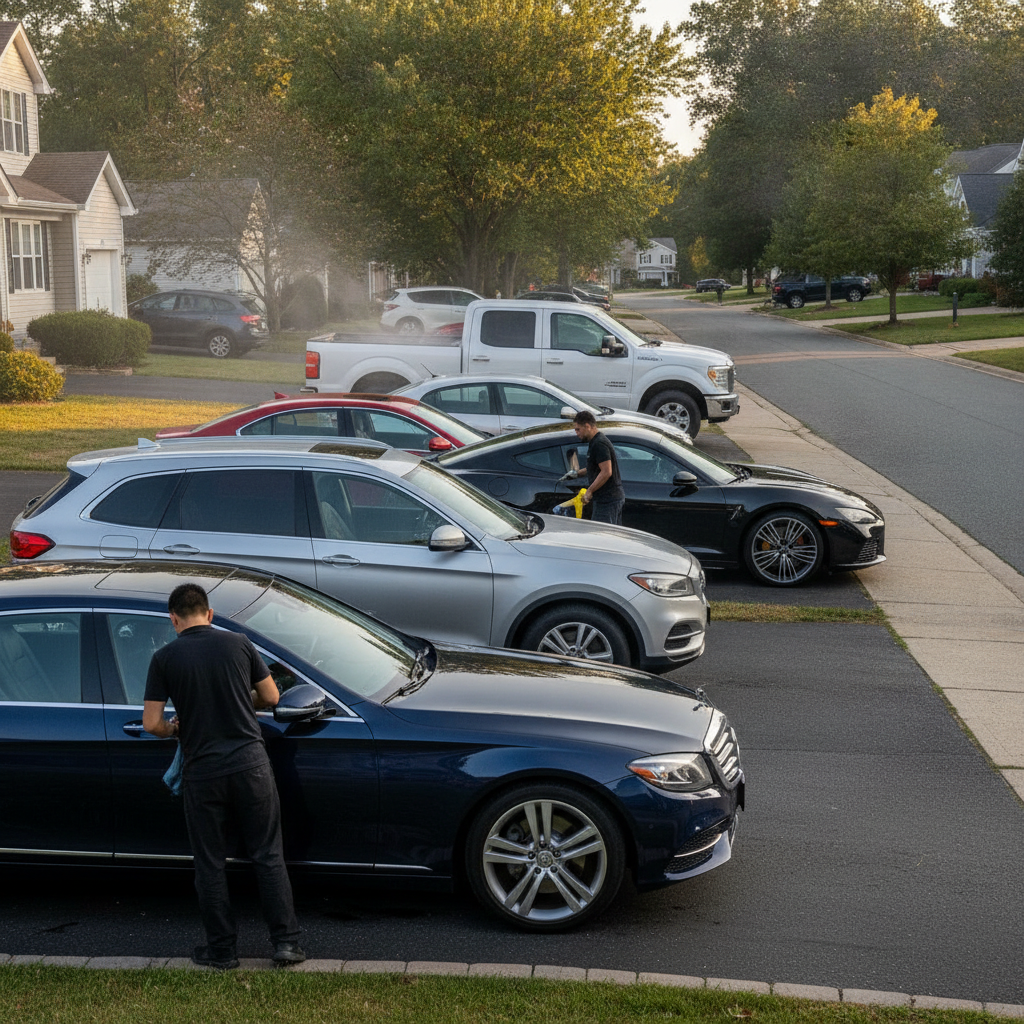
Does the Color of Your Car Affect How Much You Need to Detail It in Winslow Township and South Jersey?
Yes — your car’s paint color absolutely affects how often it needs detailing and what kind of upkeep it requires to stay looking its best. If you drive through Winslow Township or the surrounding areas of South Jersey, you’re dealing with road salt in winter, heavy pollen in spring, relentless UV exposure in summer, and plenty of rain-splattered road debris year-round. All of that plays out differently depending on whether your car is black, white, silver, red, or anything in between. Understanding how your specific paint color responds to these conditions can help you build a smarter maintenance routine and protect your investment for the long haul.
Why Paint Color Is a Factor Most Detailers Don’t Talk About
It’s a surprisingly underexplored topic. Most detailing content focuses on what services to get and how often to wash your car — but the color of your vehicle is one of the most practical factors determining your actual maintenance needs. Dark colors show swirl marks and water spots more easily. Light colors reveal dirt, stains, and environmental grime faster. Metallic finishes can mask certain flaws but are unforgiving when the clear coat starts to wear. These aren’t minor differences — they can change how frequently you need professional attention and which protective treatments make the most sense for your specific situation.
Black and Dark-Colored Vehicles: High Visibility of Every Imperfection
If you own a black, dark navy, or deep charcoal vehicle, you already know the struggle. Every swirl mark, water spot, bird dropping, and fingerprint shows up clearly against that dark background. In South Jersey’s climate, this becomes especially relevant. During winter, road salt residue streaks across dark paint in a way that’s hard to miss. In warmer months, tree sap and pollen from the region’s abundant tree cover leave visible marks quickly.
Dark vehicles typically need more frequent washing — ideally every one to two weeks — and benefit significantly from periodic paint correction to remove the fine scratches and swirls that accumulate from even careful washing. A ceramic coating applied over corrected paint is particularly valuable for dark-colored cars because it creates a slicker surface that reduces how easily contaminants bond to the paint. That means less etching from bird droppings, fewer water spots after rain, and an easier wash routine overall.
If you’re in the Winslow Township or Gloucester Township area and you drive a dark-colored vehicle daily, investing in paint correction followed by a quality ceramic coating is one of the most practical steps you can take to reduce the ongoing maintenance burden.
White and Light-Colored Vehicles: Dirt Shows Fast, But Scratches Hide Better
White and silver vehicles have a different set of challenges. On the positive side, swirl marks and light scratches are much less visible on lighter paint — so minor surface imperfections from washing or parking lot contact often go unnoticed. That said, light-colored vehicles tend to show dirt, dust, and grime buildups much more quickly, especially after driving on South Jersey’s roads during and after rain.
White cars parked under trees in neighborhoods across Berlin, Williamstown, or Sicklerville will accumulate yellow pollen and sap staining that stands out sharply against the light paint surface. While these contaminants can damage any paint color if left untreated, the visual prompt to act is more obvious on lighter vehicles — which can actually work in your favor as a reminder to clean more regularly.
For white and silver vehicles, regular exterior detailing and a protective coating help maintain that clean appearance longer between washes. Paint protection through a properly applied coating also helps prevent the yellowing or dullness that can develop on older white vehicles over time from prolonged UV exposure.
Red, Blue, and Saturated Colors: Fading Is the Biggest Concern
Vibrant paint colors — particularly reds, blues, and purples — are most vulnerable to UV-related fading. The pigments used in these colors tend to break down more quickly under direct sunlight than neutral tones do. In a region like South Jersey where summers bring consistent high UV index days, this is a real concern for owners of brightly colored vehicles.
A faded red car looks noticeably older and can affect resale value significantly. Protecting these vehicles early — ideally before visible fading begins — is the most cost-effective approach. Paint protection ceramic coating creates a UV-blocking layer over the clear coat that helps slow color degradation and keeps the finish looking more vibrant longer.
The South Jersey Factor: Every Color Faces Regional Challenges
Regardless of paint color, vehicles in this part of New Jersey face a specific set of environmental stressors that accelerate paint wear. Road salt used during Camden County and Gloucester County winters is one of the most aggressive. Salt residue doesn’t just affect the undercarriage — it sits on painted surfaces and etches the clear coat if it’s not removed promptly. This is a concern across the board, from dark vehicles where the damage is obvious to light-colored vehicles where it often goes unnoticed until the damage has accumulated.
Spring brings heavy pollen from the surrounding wooded areas common in communities like Winslow Township and Berlin. Summer brings UV exposure and bird droppings. Fall brings wet leaf tannins that can stain paint. Each season presents its own challenge, and your paint color determines how visibly those challenges present themselves — not necessarily how severe the underlying damage is.
What This Means for Your Detailing Schedule
Here’s a practical breakdown of how paint color should influence your maintenance thinking:
- Black and dark colors: Wash every one to two weeks, schedule paint correction at least once a year or when swirls become visible, and consider ceramic coating for ongoing protection.
- White and silver: Wash every two to three weeks, or more frequently in high-pollen or post-rain periods. Periodic exterior detailing helps maintain the finish, and a coating keeps grime from bonding.
- Vibrant reds, blues, and saturated tones: UV protection is the priority. Ceramic coating or another paint protection layer should be applied early, especially if the vehicle is regularly parked outdoors.
- Metallic and pearl finishes: These can mask some surface imperfections, but the finish is often more complex to correct once it’s damaged. Regular maintenance and protective coatings help preserve the depth and shimmer of these paints.
Why a Mobile Detailer Who Understands Paint Color Matters
Generic advice doesn’t account for the fact that detailing a black luxury sedan and a white SUV are genuinely different jobs. The products used, the technique applied during polishing, the lighting needed to identify defects — all of it varies. A detailer who tailors their approach based on your specific paint type and color will deliver better, longer-lasting results than one who applies a one-size-fits-all process.
For drivers in Winslow Township, Sicklerville, and the surrounding South Jersey communities, choosing a mobile detailing provider who understands local environmental conditions and adjusts their approach to your vehicle’s specific needs is what separates a cosmetic touch-up from meaningful, lasting protection.
Frequently Asked Questions
Does a black car really need to be washed more often than a white one?
Not necessarily more often — but the consequences of skipping a wash are more visible on black vehicles. Swirl marks, water spots, and dust show up much more clearly on dark paint. In practical terms, most dark-car owners wash more frequently simply because the need is more obvious.
Can ceramic coating help reduce how often I need to wash my car in Winslow Township?
Yes. Ceramic coating creates a hydrophobic surface that repels water and makes it harder for contaminants like road salt, pollen, and bird droppings to bond to the paint. Most owners find they can wash less frequently and that each wash requires less effort to get the car clean.
Is paint correction necessary before ceramic coating regardless of my car’s color?
Generally yes. Ceramic coating seals the surface — including any existing swirls or scratches — so it’s important to correct the paint first. This is especially true for dark vehicles where imperfections are most visible, but it applies to all colors to ensure the coating bonds to a clean, smooth surface.
My red car looks faded already. Is it too late to protect it?
It depends on how far the fading has progressed. In many cases, paint correction can restore significant color depth and clarity before a protective coating is applied. A professional assessment will tell you what’s recoverable and what your best options are.
Does Flash Mobile Detailing come to homes and workplaces in Winslow Township?
Yes. Flash Mobile Detailing is based in Sicklerville and serves Winslow Township and the surrounding South Jersey area. Services are performed at your location — home, office, or elsewhere — so you don’t need to drop your vehicle off anywhere.
Ready to Give Your Vehicle the Right Kind of Attention?
Whether you’re driving a black sedan that shows every water spot or a red SUV that’s starting to look a little faded from South Jersey summers, the right detailing and protection plan makes a real difference. Flash Mobile Detailing works with car owners across Winslow Township, Sicklerville, and the surrounding communities to build maintenance routines that actually fit their vehicle’s needs — color included. Reach out through the contact page to schedule a consultation or ask about which services make the most sense for your specific vehicle.