
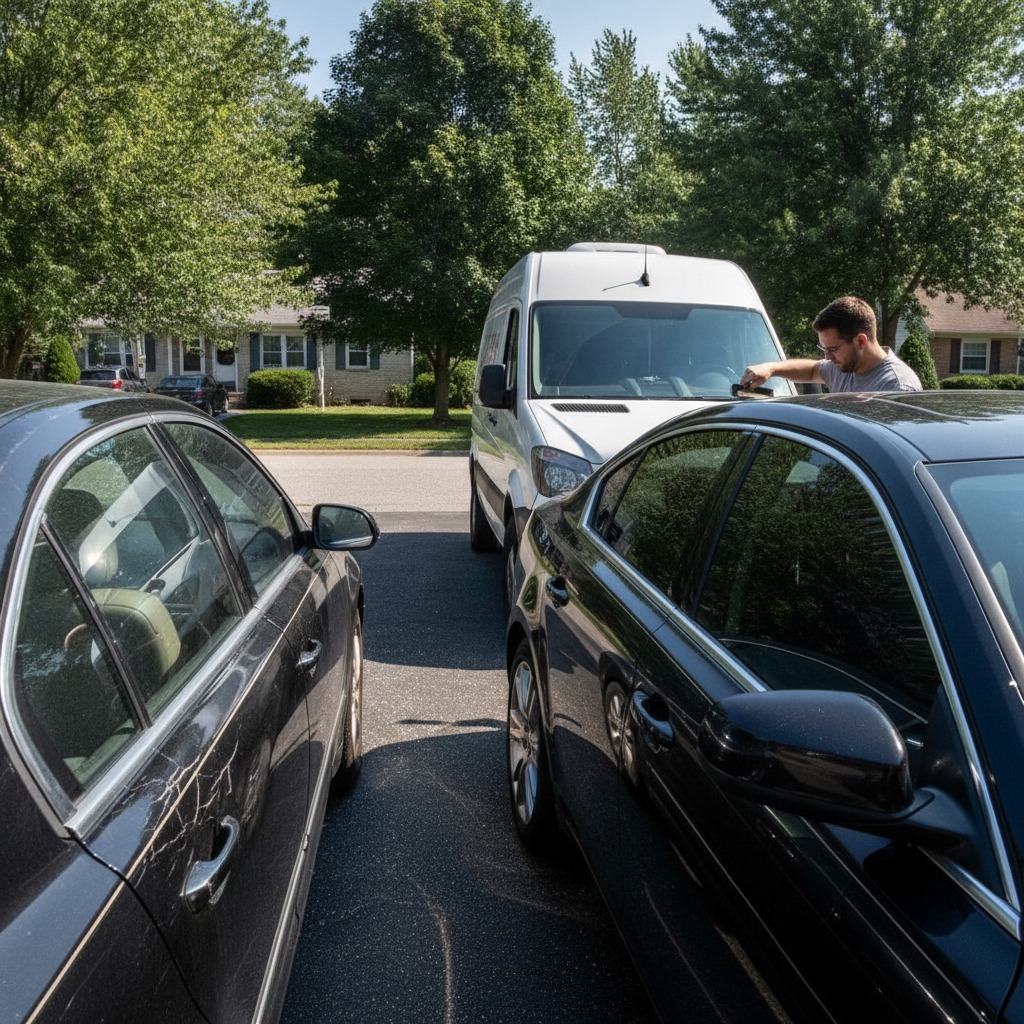
How Does Window Tint Protect Your Car’s Interior From Heat Damage in Sicklerville and South Jersey?
Professional window tint does far more than give your car a sleek, finished look — it acts as a thermal barrier between your vehicle’s cabin and the intense heat that builds up during South Jersey summers. For drivers in Sicklerville and surrounding communities, the combination of strong UV exposure, long commutes, and hours of parking under direct sunlight creates real, cumulative damage to dashboards, upholstery, and trim. The right window tint film can reduce interior temperatures significantly, slow the fading and cracking that comes with prolonged heat exposure, and make every drive more comfortable year-round.
Why South Jersey Heat Is Harder on Car Interiors Than You Might Think
It’s easy to underestimate what happens inside a parked car on a July afternoon. Surface temperatures on dashboards and steering wheels can reach extreme levels even on a moderately sunny day — and those conditions accelerate material breakdown over time. Vinyl cracks. Leather fades and dries out. Fabric seats lose their color. Plastic trim warps around the edges.
For drivers in communities like Berlin, Williamstown, and Blackwood who commute daily and rely on their vehicles for everything from school runs to long stretches on Route 42 or the Atlantic City Expressway, interior heat damage adds up quietly. You may not notice it happening day to day, but after a few summers without protection, the interior of your vehicle can look and feel noticeably older than its actual age — and that absolutely affects resale value.
What Window Tint Actually Does to Block Heat
Window tint film works by reducing the amount of solar energy that passes through your vehicle’s glass. There are two main mechanisms at work: blocking ultraviolet (UV) rays and rejecting infrared (IR) heat. Most quality films handle both, but the level of performance varies significantly depending on the type of film used.
- UV ray blocking: Quality window tint films can block up to 99% of ultraviolet rays. UV radiation is the primary cause of fading and material degradation inside your vehicle — including dashboard surfaces, seat fabrics, and leather.
- Infrared heat rejection: Infrared radiation is what makes the inside of your car feel like an oven. Higher-grade films, including ceramic tint options, are specifically engineered to reject a substantial portion of this heat without heavily darkening the glass.
- Total solar energy rejection: The combination of UV and IR blocking translates to a noticeably cooler cabin, reduced reliance on air conditioning, and less strain on your vehicle’s cooling system during warm months.
This is a distinction that many national chains and competitor websites gloss over — they focus heavily on privacy and aesthetics, but the thermal and UV protection benefits of quality window tint are arguably more important for long-term vehicle health, especially in a region with South Jersey’s sun exposure patterns.
The Difference Between Cheap Tint and Quality Film
Not all window tint film is created equal, and this is where many drivers in Gloucester Township, Washington Township, and across Camden County end up disappointed. Low-cost films — particularly dyed films often used at budget shops or sold as DIY kits — start to bubble, fade to purple, and lose their effectiveness within a year or two. They may offer some privacy but very little in the way of heat or UV rejection.
Higher-quality options like carbon or ceramic films perform significantly better over a longer period. Ceramic window tint in particular uses non-metallic, non-conductive particles that block heat and UV without interfering with GPS, cell signals, or electronic devices — a real-world consideration for daily drivers who rely on navigation and hands-free calling. These films tend to carry longer manufacturer warranties and hold their clarity and performance for years when installed correctly.
If you’re already investing in services like ceramic coating to protect your paint, it makes sense to pair that with quality window tint to protect what’s happening inside the vehicle as well. Both work together to preserve your vehicle’s condition comprehensively.
New Jersey Window Tint Laws: What Sicklerville Drivers Need to Know
Before booking a window tint appointment, it’s worth understanding New Jersey’s legal requirements. The state has specific rules about how dark your tint can be, measured by Visible Light Transmission (VLT) — the percentage of light that passes through the film and glass combined.
- Front side windows: Must allow more than 70% of light in. This is stricter than many neighboring states, so be cautious about tint packages that don’t account for existing factory glass tint values.
- Rear side windows and rear windshield: Any darkness is permitted for sedans, SUVs, and vans, giving you significantly more flexibility.
- Front windshield: Non-reflective tint is permitted only on the top 6 inches.
- Reflectivity: Tint cannot be more reflective than standard glass on any window.
A reputable local installer will always measure your existing glass tint values and advise you on the darkest legal option before any film is applied. This is especially important for drivers coming from other states or purchasing used vehicles where previous tinting may already be present.
How Tint Protects Your Investment Beyond Comfort
One angle that rarely gets the attention it deserves is how window tint directly supports your vehicle’s resale value. A well-maintained interior — free of cracked dashboards, faded upholstery, and bleached trim — signals to potential buyers that the vehicle has been cared for. When combined with regular mobile detailing that keeps your interior clean and conditioned, tint creates a compounding benefit: less heat damage means fewer repairs, and a better-looking interior commands a stronger asking price.
For buyers in the Sicklerville area, where many households use their vehicles heavily for commuting and family transportation, that interior condition can be the difference between a quick sale and a vehicle that sits on the market or gets lowballed.
Frequently Asked Questions About Window Tint and Heat Protection in South Jersey
How much cooler does window tint make the inside of a car?
It depends on the type of film, but quality ceramic tint can reduce cabin temperatures meaningfully — some film manufacturers report heat rejection rates that can lower interior temperatures by a noticeable margin on hot days. The real benefit is felt cumulatively: less heat buildup over time means less stress on your interior materials and cooling system.
Does window tint protect leather seats from cracking?
Yes. UV radiation is one of the primary causes of leather drying out and cracking over time. Blocking up to 99% of UV rays significantly slows that process. Combined with regular conditioning treatments during interior detailing appointments, tint can help leather interiors stay supple and presentable for much longer.
Will window tint affect my visibility or safety when driving at night?
When installed to New Jersey’s legal standards, quality window tint should not compromise your night visibility on front side windows. Rear windows with darker tint may require more attention when reversing, but this is a factor your installer should walk you through during the consultation before any work begins.
How long does professional window tint installation take?
A full vehicle tint job typically takes between two and four hours depending on the vehicle size and number of windows. There’s also a curing period — usually a few days — during which you should avoid rolling down newly tinted windows to allow the film to adhere fully. Your installer will give you specific aftercare instructions based on the film used.
Can window tint be added to a vehicle that already has factory privacy glass?
Yes, but this is exactly the situation where working with a knowledgeable local installer matters most. Factory privacy glass already has a built-in tint value. Adding film on top of that changes the combined VLT, which means the front side windows in particular need to be measured carefully to stay within New Jersey’s legal limits.
Ready to Protect Your Vehicle’s Interior From the South Jersey Sun?
If your dashboard is starting to show signs of sun damage, your seats are fading, or you’re simply tired of climbing into a sweltering car every afternoon, professional window tint is one of the most practical investments you can make for your vehicle. It works quietly in the background — blocking heat and UV rays every single day without any ongoing maintenance required on your part.
Flash Mobile Detailing serves Sicklerville and the surrounding communities across Camden County, Gloucester County, and South Jersey with professional car window tint installations and a full range of vehicle protection services. Whether you’re looking to protect a brand-new vehicle or preserve a daily driver you plan to keep for years, the team is ready to walk you through your options and help you find the right solution for your budget and goals.
Contact Flash Mobile Detailing today to schedule a consultation or request a quote. Reach out through the contact page or call (856) 534-3603 — and drive a little cooler starting this season.