
How Does Window Tint Help Reduce Glare and Driver Fatigue for Commuters in Cherry Hill and South Jersey?
Yes — quality window tint can make a real difference in reducing glare and driver fatigue, especially if you spend time on the roads around Cherry Hill, Sicklerville, and the broader South Jersey area. Whether you are sitting in morning traffic on Route 70, heading south on the Atlantic City Expressway, or making the daily back-and-forth between Camden County and Gloucester County, sun glare is a consistent challenge for local drivers. This article explains how window film addresses that problem, what you should look for when choosing a tint provider, and what New Jersey law requires.
Why Glare Is a Bigger Problem Than Most Drivers Realize
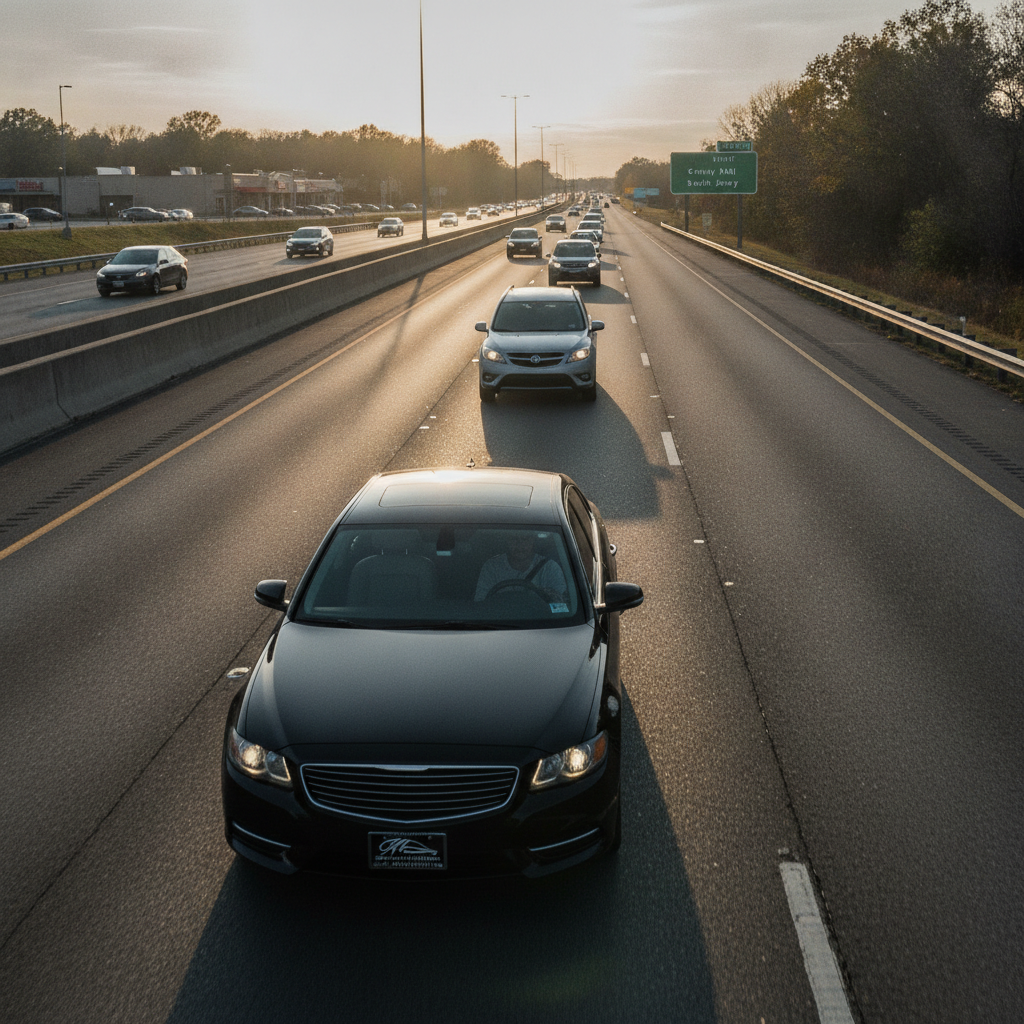
Glare from direct sunlight and reflected light off other vehicles can cause more than momentary discomfort. Over a long commute, squinting against bright light forces your eyes to work harder, leads to headaches, and contributes to the kind of subtle tiredness that builds up behind the wheel. Drivers in South Jersey experience this seasonally — low winter sun angles hit windshields at particularly harsh angles during morning and late-afternoon drives, and summer UV intensity adds a different layer of visual stress.
Commuters traveling from communities like Washington Township, Deptford, or Gloucester Township into employment centers further north or east often face direct sun exposure during peak travel times. The glare problem is not just a comfort issue — it is a visibility and safety concern.
How Window Tint Reduces Glare Without Blocking Your View
Window film works by filtering the light that passes through your glass. Depending on the type and shade of film installed, it reduces the intensity of visible light entering the cabin, cutting down on harsh brightness without creating a darkened or tunnel-vision effect when it is properly selected for your driving conditions.
The key here is choosing the right film. Not all tints are designed equally. Cheaper dyed films tend to fade over time and do not reject light as efficiently as higher-grade options. Carbon or ceramic window films offer more consistent glare reduction, better UV blocking, and longer-lasting performance. A quality ceramic film, for example, can reject a significant portion of solar energy and visible light while maintaining good optical clarity — meaning you can see clearly in all conditions, including at night.
This is a topic that many national tint chains and large online retailers address only at a surface level. They will mention that tint reduces heat or UV rays, but the specific connection between film technology, visible light transmission, and the practical experience of daily commuter driving is rarely explained in a way that helps you make an informed choice. That gap matters if you are trying to decide between film grades or understand why one option costs more than another.
Understanding New Jersey Tint Laws Before You Book
Before scheduling a tint appointment anywhere in South Jersey — whether you are in Cherry Hill, Blackwood, or Sicklerville — it is worth understanding what New Jersey law actually permits. The state has specific visible light transmission (VLT) requirements that apply to different windows on your vehicle.
- Front side windows: Must allow more than 70% of light in.
- Back side windows: Any darkness level is permitted.
- Rear window: Any darkness level is permitted, provided the vehicle has dual side mirrors.
- Windshield: Non-reflective tint is only allowed on the top AS-1 line strip.
This means that the most effective glare reduction for front-seat drivers has to come from film that still allows most of the visible light through — which is why film quality matters so much. A high-quality film can block the infrared and UV portions of the solar spectrum (both of which contribute to heat and eye strain) without pushing your front windows below the legal threshold. A knowledgeable installer will walk you through exactly which options keep you compliant while still delivering meaningful comfort benefits.
If you want to explore your options, Flash Mobile Detailing’s car window tint page outlines the services available and what vehicle owners in this area typically choose.
The Difference Between Heat Rejection and Glare Reduction — And Why Both Matter for Commuters
One distinction that often gets lost in generic tint marketing is the difference between heat rejection and glare reduction. These are related but not identical. A film can block a high percentage of infrared heat while only moderately reducing visible light — or it can do both well, depending on the technology used.
For commuters in South Jersey, both matter. Heat rejection keeps your interior cooler during summer months, reducing the load on your air conditioning and improving fuel efficiency on longer drives. Glare reduction addresses the direct visual discomfort that builds up over a long morning or evening commute. A quality ceramic film typically addresses both, making it the more practical long-term investment for drivers who are behind the wheel frequently.
Your interior benefits too. UV exposure from sunlight is one of the leading causes of fading and cracking in dashboards, upholstery, and trim. Blocking UV rays at the glass is one of the simplest ways to slow that deterioration, whether you drive a newer vehicle you want to protect or an older one you are maintaining for resale.
Why Local Installation Matters More Than You Might Expect
Window tint is not a product you want installed by an inexperienced technician, regardless of how well the film is rated. Improper installation leads to bubbling, peeling edges, and uneven film that actually creates new visibility problems by distorting your view — the opposite of what you are trying to achieve.
Local installers who work regularly in the area understand the specific conditions South Jersey vehicles face: long sun exposure during summer, the way seasonal temperature swings affect adhesion, and what customers in communities like Voorhees or Gloucester Township are typically looking for in terms of comfort and compliance. A technician who works in your area is also easier to follow up with if any questions arise after installation.
Flash Mobile Detailing is based in Sicklerville and serves vehicle owners across Camden County, Gloucester County, and the surrounding communities. The convenience of mobile service means the work comes to you — your driveway, your workplace, wherever is most practical — so you are not adding another errand to an already busy week.
If you are also considering protecting your paint at the same time, it is worth reviewing the auto window tinting options available alongside other exterior protection services.
What to Ask Before You Schedule a Tint Appointment
Going into a tint consultation with the right questions helps you avoid a decision you will regret later. Here are a few worth asking any provider:
- What film brands and grades do you carry, and what is the difference between them?
- What VLT percentage do you recommend for my front windows given New Jersey law?
- Does the film carry a manufacturer warranty, and what does it cover?
- How long does installation take, and when can I roll my windows down afterward?
- Do you have examples of completed work I can look at?
A professional installer should be able to answer all of these clearly without pressure tactics. If a provider cannot explain the difference between film types or deflects questions about compliance, that is worth noting.
Frequently Asked Questions
Does window tint actually reduce glare enough to make a difference on a daily commute?
Yes, particularly if you choose a mid-to-high grade film. Quality window film filters visible light and reduces the harsh brightness that causes squinting and eye fatigue. For front windows where NJ law limits how dark you can go, ceramic films are often the most effective option because they block more light energy per unit of visible light transmission.
Can window tint help with headlight glare at night from oncoming traffic?
Standard window tint is not designed to reduce glare at night and should not be used that way on front windows. However, on rear and side windows behind the driver, tinted glass can reduce distraction from following vehicles. Night driving glare from your own windshield and front side windows is better addressed through anti-reflective coatings or proper film selection that does not compromise night visibility.
How long does professionally installed window tint typically last?
High-quality ceramic or carbon films installed by an experienced technician can last the life of the vehicle under normal conditions. Cheaper dyed films may begin to fade, bubble, or turn purple within a few years. Ask your installer about the film’s manufacturer warranty and what conditions it covers.
Is it legal to tint my front windows in New Jersey?
Yes, but front side windows must allow more than 70% of light to pass through. This is a stricter standard than many other states, which is why film selection for the front of the vehicle is particularly important. A reputable installer will make sure the film they apply meets this requirement.
Does window tint affect visibility during rain or low-light conditions?
Properly installed, compliant tint should not negatively affect your visibility in rain or low light, especially on the front side windows where NJ requires high visible light transmission. Rear windows with darker film may reduce some rearward visibility in low light, which is why NJ law requires dual side mirrors if your rear window is tinted dark.
Ready to Reduce Glare and Drive More Comfortably?
If your daily commute around Cherry Hill, Sicklerville, or anywhere else in South Jersey has you squinting through sun glare and arriving somewhere tired, professional window tint is one of the most practical upgrades you can make to your vehicle. Flash Mobile Detailing serves drivers across Camden County, Gloucester County, and the surrounding communities with professional installation that is done right the first time.
Reach out through the contact page to ask questions or schedule a consultation. The team is happy to walk you through your options, explain what is available for your specific vehicle, and help you find a film that keeps you comfortable, compliant, and protected on every drive.