
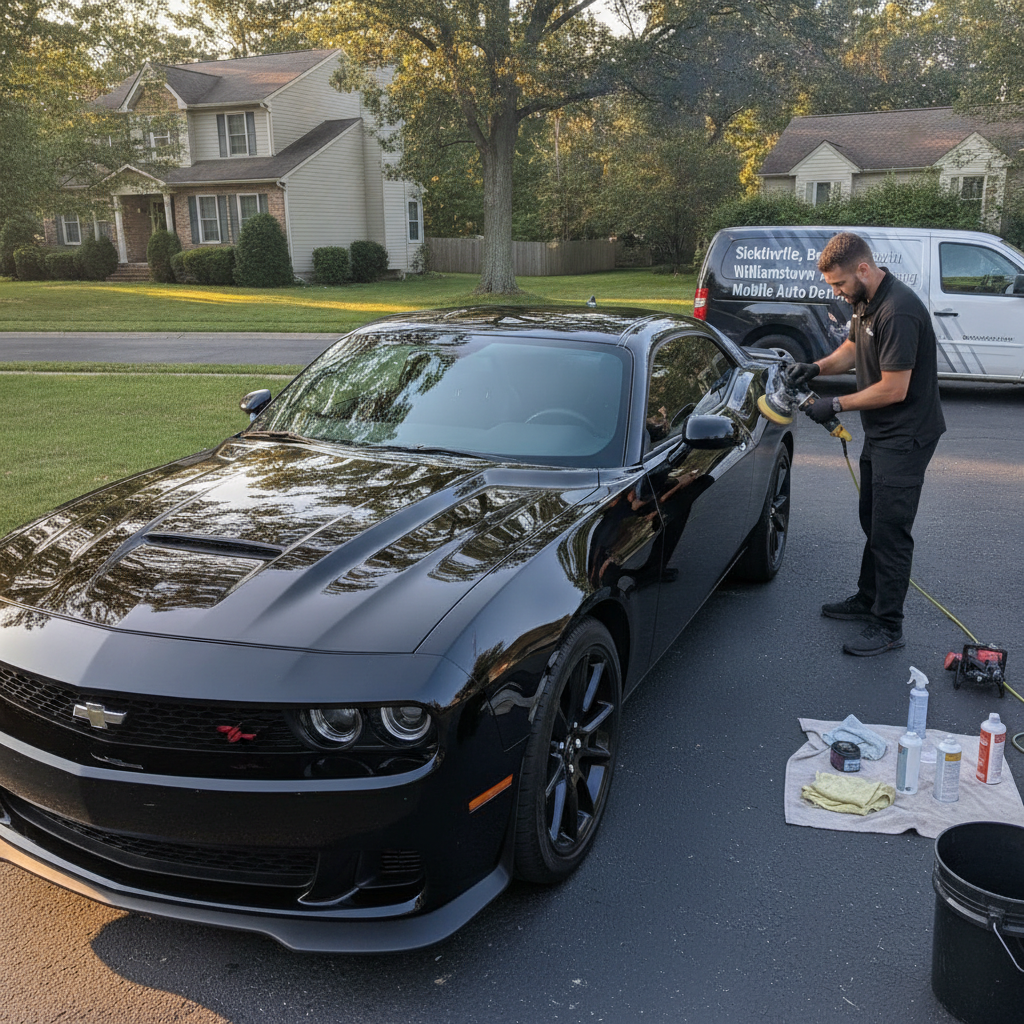
How Does Paint Correction Restore Faded and Swirl-Marked Paint on Older Vehicles in Blackwood and South Jersey?
If you’ve been driving an older vehicle around Blackwood and noticed that the paint no longer looks the way it did when you first bought the car, you’re not imagining it. Over time, paint loses its clarity and depth — not from one single event, but from years of accumulated damage. The good news is that professional paint correction can restore a significant amount of that lost appearance without the cost of a full respray. This article explains how the process works, who it’s right for, and what vehicle owners in South Jersey should know before booking a service.
What Is Paint Correction and How Does It Actually Work?
Paint correction is a multi-step process that uses machine polishers and specially formulated compounds to remove a thin, controlled layer from the surface of your vehicle’s clear coat. That clear coat is the transparent outer layer sitting on top of your actual paint color, and it’s where most of the visible damage lives — swirl marks, light scratches, water spots, and oxidation.
By carefully leveling that surface, a trained technician can eliminate or significantly reduce the defects that make paint look dull, hazy, or scratched. The result is a finish that reflects light cleanly and evenly, restoring that deep, glossy appearance that older paint often loses. It’s not a shortcut or a cover-up — it’s actual physical correction of the paint surface.
What Causes Swirl Marks and Faded Paint in South Jersey?
Vehicle owners in this region deal with a specific combination of environmental stressors that accelerate paint damage. Summers here bring strong UV exposure that slowly breaks down the clear coat, causing oxidation and a chalky, faded look. Winters bring road salt and harsh conditions that increase surface contamination. And in the warmer months, pollen, tree sap, bird droppings, and heavy rain all add to the wear.
Swirl marks — those fine circular scratches visible in direct sunlight or under certain lighting — often come from improper washing techniques. Automated car washes are a common culprit. The stiff brushes and coarse materials used in many drive-through washes leave tiny abrasions across the surface with every visit. Over months and years, these accumulate into a dull, scratched-looking finish that regular washing and waxing can’t fix.
Who Is Paint Correction Right For?
Paint correction is a strong option for vehicle owners who fall into one of these categories:
- You have an older vehicle that still has solid paint depth but looks dull or scratched
- You’re preparing to apply a ceramic coating and want the best possible surface underneath
- You’re planning to sell your vehicle and want to improve its appearance before listing
- Your car has visible swirl marks, light scratches, or water spots that haven’t responded to regular cleaning
- You want to refresh the look of a daily driver without investing in repainting
It’s worth noting that paint correction works with your existing clear coat. If the clear coat is peeling, cracked, or fully worn through, correction won’t restore it — in those cases, a professional would advise you on the appropriate next steps. A thorough inspection before any work begins will tell you what’s realistic for your specific vehicle.
The Paint Correction Process: What to Expect Step by Step
A proper paint correction service isn’t a quick job, and reputable detailers won’t rush it. Here’s a general overview of what the process looks like from start to finish:
- Paint decontamination: The vehicle is thoroughly washed and decontaminated — removing iron particles, tar, and bonded surface contaminants that could interfere with polishing
- Paint thickness measurement: Professionals use a paint depth gauge to measure how much clear coat is present, which guides how aggressively they can work without risking paint damage
- Compounding (heavy correction): A machine polisher with a cutting compound removes deeper scratches, heavy oxidation, and significant surface imperfections
- Polishing (finishing): A finer polish refines the surface, removing any marks left by compounding and bringing out a high-gloss finish
- Panel wipe-down: The surface is cleaned of all polish residue to reveal the true corrected finish and prepare the paint for any protective coating
Depending on the condition of the vehicle and how many stages of correction are needed, the process can take anywhere from a few hours to a full day or more. A one-step polish handles light imperfections quickly, while a two-step or multi-stage correction addresses heavier damage in more time. When you contact a professional for a consultation, they can assess your vehicle’s specific condition and give you a clearer idea of what level of service is appropriate.
Why Paint Correction Matters Before Ceramic Coating
One of the most common questions vehicle owners in the Gloucester Township and Sicklerville area ask is whether they should bother with paint correction before applying a ceramic coating. The answer matters more than most people realize.
Ceramic coatings bond directly to the surface of your clear coat and create a hard, protective layer. They amplify the reflective qualities of the paint underneath — which means if that paint has swirl marks and scratches before the coating goes on, those same defects will be visible and locked in under the coating. Applying a ceramic coating over damaged paint doesn’t hide the problems; it preserves them.
That’s why professional detailers consistently recommend completing any necessary paint correction before a ceramic coating application. Starting with a corrected, clean surface means the coating performs as intended and the finished result genuinely reflects the investment you’re making.
What the Big National Sites Miss About Paint Correction
Many well-known industry websites cover ceramic coating and detailing broadly but treat paint correction as a passing mention — a step in a list rather than a service worth understanding on its own. They rarely explain the difference between a one-stage and multi-stage correction, what paint depth measurement means for older vehicles, or how local environmental factors like South Jersey’s seasonal road salt and summer UV intensity specifically affect how much correction a vehicle might need.
For someone in Washington Township or Cherry Hill with a five- or six-year-old vehicle showing real paint wear, that kind of surface-level coverage doesn’t help you make an informed decision. Understanding what the process involves and what’s realistic for your car’s condition is what leads to a result you’re actually satisfied with.
Frequently Asked Questions About Paint Correction in South Jersey
How long does paint correction last?
Paint correction is a permanent physical improvement to the surface of your clear coat. The corrections themselves don’t reverse on their own. However, without a protective coating applied afterward, new swirl marks and contamination will accumulate over time. Pairing correction with a ceramic coating significantly extends how long the results stay visible.
Can paint correction fix deep scratches that go through to the primer?
No. Paint correction works within the clear coat layer. Scratches that penetrate through the base coat or reach bare metal or primer require touch-up paint or body repair work, not polishing. A professional inspection will identify which type of damage you’re dealing with before any work begins.
How do I know if my car needs a one-stage or multi-stage correction?
That depends on the severity of the defects and how much clear coat remains. Lighter swirl marks and minor water spots typically respond well to a one-stage polish. Heavier oxidation, deeper scratches, or more significant surface damage usually call for a two-stage correction. A professional assessment using a paint depth gauge is the most reliable way to determine the right approach for your vehicle.
Does paint correction work on all vehicle colors?
Yes, but darker colors — especially black, dark blue, and dark grey — tend to show swirl marks and scratches more prominently than lighter shades. This also means the results of paint correction are often most dramatic on darker vehicles. The process is the same regardless of color, though the visible difference after correction may vary.
Is mobile paint correction available in the Blackwood and Berlin area?
Yes. Flash Mobile Detailing provides mobile paint correction services across the South Jersey region, including Blackwood, Berlin, and surrounding communities in Camden County and Gloucester County. The work comes to your location, so there’s no need to drop your vehicle off at a shop and arrange alternate transportation.
Ready to Restore Your Vehicle’s Paint?
If your car’s paint has lost its clarity or you’re seeing swirl marks and dullness that regular washing hasn’t fixed, professional paint correction is worth exploring. Whether you’re looking to refresh an older daily driver, improve resale value, or get the surface ready for long-term protection, the right service makes a real difference in how your vehicle looks and how well it holds up over time.
Flash Mobile Detailing serves Blackwood, Sicklerville, and communities throughout South Jersey. We come to you — no shop drop-off required. Visit our mobile detailing page to learn more about what we offer, or reach out directly to talk through what your vehicle needs. We’re happy to take a look and give you an honest assessment of what paint correction can realistically accomplish for your car.