
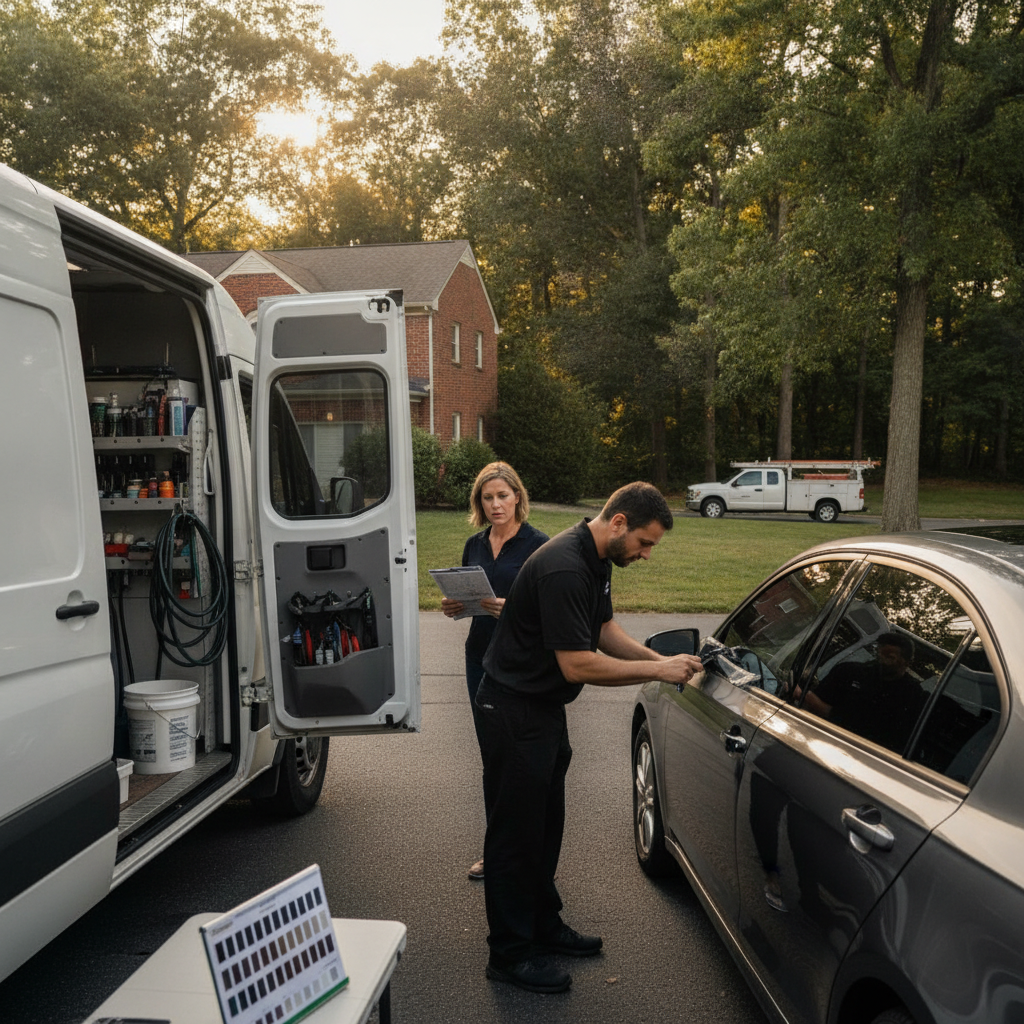
How Does Window Tint Affect New Jersey’s Legal Limits and What Should Drivers in Voorhees Know Before Getting Tinted?
If you’re thinking about getting your car windows tinted in Voorhees or anywhere across South Jersey, the most important thing to understand before you book an appointment is New Jersey’s window tint law. Getting tint that’s darker than what the state allows can result in fines, a failed vehicle inspection, and the hassle of having the film removed and replaced. The good news is that understanding the rules isn’t complicated — and working with a knowledgeable local installer makes it easy to get a great-looking, legally compliant result.
What Does New Jersey Law Actually Say About Window Tint?
New Jersey’s window tint regulations are based on Visible Light Transmission (VLT) — the percentage of light that passes through your window film and glass combined. A higher VLT percentage means more light comes through, which means lighter tint. A lower percentage means darker tint.
Here’s what New Jersey requires for standard passenger vehicles:
- Windshield: Non-reflective tint is only permitted on the top 4.5 inches (the AS-1 line). The rest of the windshield must remain clear.
- Front side windows (driver and passenger): Must allow more than 70% of light in — meaning the combined VLT of the film and glass must exceed 70%.
- Back side windows: Any darkness level is permitted.
- Rear window: Any darkness level is permitted, provided the vehicle has functioning side mirrors on both sides.
New Jersey is notably stricter than many surrounding states when it comes to front side windows. That 70% VLT threshold is one of the tightest in the country, which catches a lot of drivers off guard — especially those who move here from out of state or who got their car tinted elsewhere.
Why This Matters for Drivers in Voorhees, Blackwood, and Cherry Hill
South Jersey drivers commute heavily. If you’re heading into Camden County, running the Rt. 30 corridor through Blackwood, or making daily trips into Cherry Hill for work, you’re spending real time behind the wheel in direct sunlight. That’s exactly why so many local vehicle owners look into window tinting — to cut down on glare, reduce heat buildup in the cabin, and protect their skin and interior surfaces from UV exposure.
The practical reality, though, is that a lot of drivers don’t realize how strict New Jersey’s front window rules are until after they’ve already paid for a darker tint that puts them out of compliance. At that point, they’re either getting pulled over or watching their car fail inspection — and paying twice for the job.
Working with a local installer who knows New Jersey law is not just a convenience. It’s how you avoid a costly mistake.
What the Competitor Sites Get Wrong About NJ Tint Laws
One of the most significant content gaps across major national window tinting websites is the lack of state-specific, locally actionable guidance. Sites like Tint World and Sun Stoppers often publish general tint law summaries, but they rarely explain what those laws mean in practical terms for a driver in Washington Township heading to a vehicle inspection station, or a Gloucester Township resident who bought a used car with an aftermarket tint already installed.
They also don’t address what happens when you purchase a vehicle — particularly a used one — with tint already applied. In New Jersey, if that existing tint doesn’t meet the 70% VLT requirement on the front windows, you’re responsible as the vehicle owner. That’s something your installer should walk you through before any new film goes on.
Are There Any Medical Exemptions for Darker Tint in New Jersey?
Yes, New Jersey does allow medical exemptions in limited circumstances. If you have a medical condition that requires reduced light exposure — such as photosensitivity or lupus — you may be eligible to apply for a waiver that permits darker tint on your vehicle’s front windows. This requires documentation from a licensed physician and must be approved through the proper state channels.
If you believe you qualify, speak with your doctor and contact the New Jersey Motor Vehicle Commission for current exemption procedures. A reputable installer will ask about this before applying any non-compliant film to your front windows.
What to Look for in a Local Window Tint Installer
Not every shop that offers auto window tinting in South Jersey takes the time to explain the legal requirements before the job begins. Here’s what you should expect from a professional installer:
- A clear explanation of what VLT levels are legal for your specific vehicle type in New Jersey
- Film options at or above the 70% VLT threshold for front side windows — including films that still offer meaningful heat and UV rejection at legal darkness levels
- Honest advice about rear window and back side window options where you have more flexibility
- Quality film from reputable manufacturers — not generic or discount-brand film that bubbles, fades, or turns purple within a year
- A clean installation with no visible lines, air pockets, or lifting edges
It’s also worth asking whether the film carries a manufacturer’s warranty and what it covers. Quality window film installed correctly should last for years without peeling or discoloring.
You Can Still Get Real Benefits from Legal Tint in New Jersey
A common misconception is that compliant window tint in New Jersey doesn’t do much — that you need to go darker to get the heat-blocking and UV-protection benefits. That’s not accurate. Modern high-performance window films are engineered to reject significant heat and block up to 99% of UV rays even at legal VLT levels. Ceramic window films, in particular, achieve exceptional heat rejection without relying on darkness.
For rear and back side windows, you have much more flexibility. Darker films on the rear of your vehicle can substantially reduce interior heat buildup — which is especially relevant during South Jersey summers when parked cars can become dangerously hot inside.
If you’re also thinking about longer-term protection for your vehicle’s finish, it’s worth exploring how ceramic coating works alongside window tint as part of a complete vehicle protection plan. Tinting protects the interior from UV damage; ceramic coating protects the exterior paint. Together, they address two of the most common causes of vehicle value loss in South Jersey’s climate.
Frequently Asked Questions About NJ Window Tint Laws
Is 35% tint legal in New Jersey on front windows?
No. New Jersey requires front side windows to allow more than 70% visible light transmission. A 35% VLT film on the front windows is not legal for standard passenger vehicles and could result in a traffic citation or failed vehicle inspection.
Can I get pulled over for window tint in New Jersey?
Yes. Law enforcement officers can stop a vehicle if they suspect the window tint does not meet legal requirements. If your front windows are tinted below the 70% VLT threshold, you may receive a summons and be required to have the tint removed.
Does window tint affect my New Jersey vehicle inspection?
Yes. Vehicle inspections in New Jersey can include a check for window tint compliance. If your front windows do not meet the VLT requirement, your vehicle may not pass inspection until the tint is corrected.
What’s the difference between ceramic and standard window tint film?
Standard dyed films block heat primarily through darkness. Ceramic films use nano-ceramic particles to reject infrared heat without necessarily going darker — meaning you can get strong heat and UV rejection while staying within New Jersey’s legal VLT limits for front windows.
I bought a used car with tint already on it. What should I do?
Have the existing tint measured with a VLT meter before your next inspection. If the front windows don’t meet New Jersey’s 70% requirement, you’ll want to have the non-compliant film removed and replaced. A professional installer can assess what’s already on the vehicle and advise you on next steps.
Ready to Get Your Windows Tinted the Right Way in South Jersey?
At Flash Mobile Detailing, we work with vehicle owners across Voorhees, Berlin, Gloucester Township, Washington Township, and throughout the Sicklerville area to deliver window tinting that looks sharp and stays within New Jersey’s legal requirements. We take the time to explain your options, help you choose a film that delivers real-world benefits, and install it cleanly and correctly.
If you’re ready to move forward or just want to talk through what makes sense for your vehicle, reach out to us today. We’re happy to answer your questions and help you figure out the right solution — no pressure, no guesswork.