
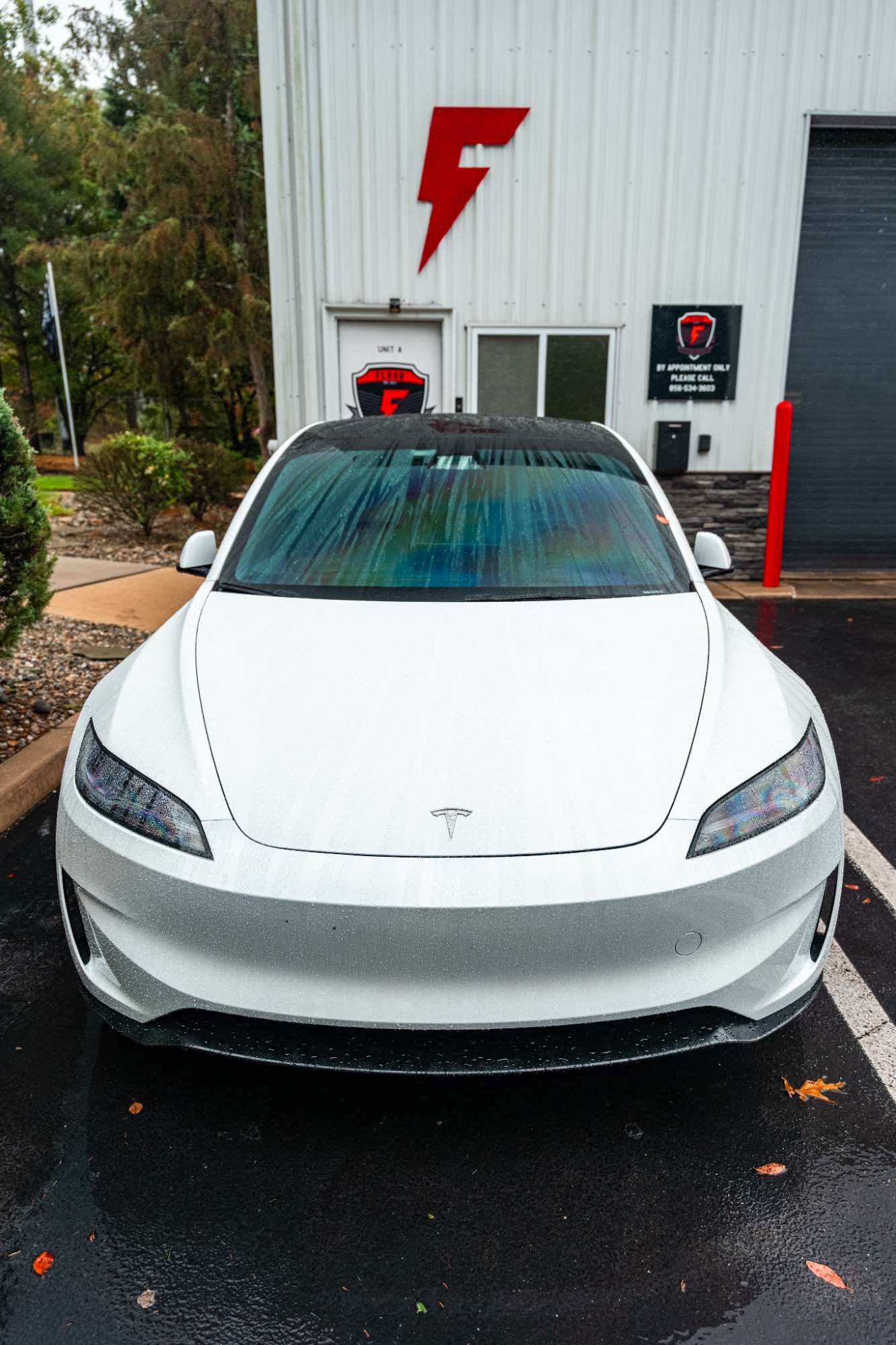
Of all the questions South Jersey car owners ask before investing in a ceramic coating, “how long will it actually last?” is the one that comes up most consistently. And it’s a fair question, because the answer varies more than most shops and online resources let on. Marketing materials for ceramic coating products throw around impressive-sounding durability claims — five years, seven years, lifetime protection — without always being transparent about the conditions under which those numbers were determined, or what role the local climate, application quality, and owner maintenance habits play in real-world longevity. Ceramic Coatings South Jersey is one of Flash Mobile Detailing’s most popular and most impactful services, and this article gives you an honest, detailed answer to the longevity question — specifically in the context of South Jersey’s climate and driving conditions.
How Long Do Ceramic Coatings Actually Last?
The honest answer is that ceramic coating longevity exists on a spectrum determined by three factors: the grade and quality of the coating product, the thoroughness of the application preparation, and how well the coated vehicle is maintained afterward. Broad claims of “permanent” or “lifetime” protection are marketing language — no coating lasts indefinitely under real-world conditions.
Ceramic Coatings are available in several grades designed for different longevity targets. Consumer-grade spray-on ceramic coating products available at retail stores contain low concentrations of SiO2 and typically maintain meaningful hydrophobic performance for six to twelve months under South Jersey driving conditions. Professional entry-level coatings contain significantly higher SiO2 concentrations and are designed to last one to two years with proper maintenance. Professional mid-grade coatings target a three-year effective lifespan. Premium professional coatings from the leading brands — the type Flash Mobile Detailing uses — are rated at five years or more and, on well-maintained vehicles in South Jersey conditions, regularly achieve that or exceed it.
The gap between consumer spray coatings and professional-grade products is not simply about longevity claims — it’s about the depth of the chemical bond formed during application. Professional coatings penetrate deeper into the clear coat’s surface structure and form a harder, more chemically stable layer that holds up significantly better against the specific environmental stressors South Jersey vehicles face.
How South Jersey’s Climate Affects Ceramic Coating Longevity
Summer Heat and UV Exposure
South Jersey summers consistently deliver high UV index readings and sustained temperatures that stress vehicle paint and its protective layers. For uncoated or wax-protected paint, summer UV is the primary driver of oxidation and fading. For ceramic-coated paint, quality coatings include UV stabilizers that specifically counteract UV degradation — but the intensity and duration of South Jersey summers means this protection is working hard from June through August. Lower-grade coatings that lack sufficient UV inhibitor formulation degrade faster under South Jersey summer conditions than their rated lifespan would suggest. Premium professional-grade coatings are formulated specifically to maintain their UV resistance even under sustained high-intensity solar exposure.
Winter Salt and Freeze-Thaw Cycles
Road salt application in South Jersey from November through March is chemically aggressive toward vehicle surfaces. A ceramic coating creates a sacrificial chemical barrier between the road salt and the clear coat — the salt interacts with the coating’s hard SiO2 layer rather than with the paint itself. However, road salt accumulation still needs to be managed even on coated vehicles. Salt left sitting on a ceramic-coated surface for extended periods without washing doesn’t damage the coating the way it damages bare paint, but it does accelerate the coating’s depletion over time. Regular washing during salt season — particularly rinsing the lower panels and wheel wells — extends coating longevity meaningfully for South Jersey vehicles.
Shore Proximity and Salt Air
Vehicles that park within a few miles of the ocean or bay in South Jersey face ongoing exposure to salt-air microparticles that deposit on every surface and create a corrosive environment that is more chemically aggressive than inland conditions. A ceramic coating provides critical protection against this ongoing salt air exposure, but it also means the coating is working harder in shore-adjacent locations than it would in a more inland environment. Fleet and personal vehicles in towns like Ocean City, Wildwood, Cape May, and along the bay shores of Cumberland and Cape May counties benefit especially from premium-grade coatings that have the SiO2 density and UV stability to hold up against these conditions for their full rated lifespan.
What Makes a Ceramic Coating Last Longer?
The preparation process before application is the single most important factor in coating longevity — more important, in most cases, than the coating brand itself. A premium coating applied over paint that hasn’t been properly decontaminated or over existing wax residue bonds weakly to the surface and begins degrading from the adhesion layer outward. Full clay bar decontamination, iron remover treatment, and a final IPA (isopropyl alcohol) wipe-down to remove all oils and residue before application are non-negotiable steps for a coating that performs to its potential.
Paint correction before application matters because ceramic coating doesn’t fill or hide paint defects — it locks them in permanently while enhancing gloss. A properly corrected paint surface gives the coating the ideal substrate to bond to, and the increased gloss of corrected paint makes the coating’s hydrophobic performance more visually obvious and satisfying.
Post-application maintenance is the owner’s contribution to longevity. Washing with pH-neutral soap protects the coating’s chemistry — alkaline or acidic cleaners degrade the SiO2 layer over time. Avoiding automatic car washes with brushes prevents the mechanical abrasion that wears down the coating’s surface layer prematurely. A periodic decontamination wash every six to twelve months removes bonded contamination that regular washing leaves behind and keeps the coating performing at its full hydrophobic capacity.
Professional vs. DIY Ceramic Coating Longevity — The Real Difference
The longevity gap between professionally applied and DIY-applied ceramic coatings is significant and directly tied to preparation and application conditions. DIY ceramic coating kits purchased online or from auto parts stores are real products — they do contain SiO2 and they do provide some degree of paint protection. But they contain significantly lower SiO2 concentrations than professional products, application requires precise technique that most first-time users don’t have, and curing requires controlled temperature and humidity conditions that a home garage or driveway rarely provides reliably.
A professionally applied coating from Flash Mobile Detailing uses products with the SiO2 concentration and formulation depth needed for multi-year protection. The prep process is performed correctly and completely. Application conditions are managed professionally. And the result is a coating that bonds at full depth and cures to full hardness — providing the five-year-plus performance that premium professional coatings are capable of in South Jersey conditions.
How to Find Ceramic Coatings Near Me in South Jersey
When searching for Ceramic Coatings near me in South Jersey, the longevity question you’ve just been reading about is exactly the framework to use when evaluating installers. Ask what coating brand and grade they use. Ask whether they perform paint correction before application. Ask what the cure time is and what aftercare the coating requires. Ask for their warranty terms in writing. Any reputable installer who applies professional-grade coatings and stands behind their work should be able to answer all of these questions with specificity and confidence. Vague references to “quality coatings” without naming a product, inability to explain the prep process, or warranty terms that don’t specify coverage conditions are all signs to look elsewhere.
Flash Mobile Detailing’s Ceramic Coating Grades and Warranty
Flash Mobile Detailing offers multiple ceramic coating grades to fit different longevity goals and budgets, ranging from professional entry-level coatings to premium five-year-plus products. Every coating application includes the full decontamination and paint correction preparation process regardless of grade — because the preparation is what makes the coating perform to its potential. Customers receive detailed aftercare instructions and a clear explanation of what their specific coating’s warranty covers and under what conditions. Flash Mobile Detailing services Sicklerville and communities throughout South Jersey with the same preparation standards and product quality on every job.
Key Takeaways
- Ceramic coating longevity depends on three factors — coating grade and quality, preparation thoroughness before application, and owner maintenance habits afterward. All three must be right for a coating to reach its rated lifespan in South Jersey conditions.
- South Jersey’s climate puts ceramic coatings to work year-round — summer UV, winter road salt, and shore salt air are all active threats that a quality professional coating defends against simultaneously and continuously.
- Professional preparation is what separates a five-year coating from one that fails in two — clay bar decontamination, iron remover treatment, and paint correction before application are the steps that enable proper chemical bonding and full coating performance.
FAQs
Q: Will I be able to tell when my ceramic coating needs to be refreshed or reapplied? A: Yes. The clearest indicator is the loss of hydrophobic performance — when water stops beading tightly and begins sheeting flat across the surface, the coating’s SiO2 layer has depleted significantly. You may also notice the paint requires more effort to keep clean and that contamination seems to bond more readily to the surface. Flash Mobile Detailing can inspect your coating’s condition and recommend whether a maintenance top-coat or full reapplication is the appropriate next step.
Q: Can a ceramic coating be applied over existing paint sealant or wax? A: No. Wax, sealant, and any other surface products must be completely removed before ceramic coating application. These products prevent the coating from bonding directly to the clear coat, which dramatically reduces adhesion strength and longevity. The IPA decontamination wipe-down that Flash Mobile Detailing performs before every coating application ensures the surface is completely free of any prior product.
Q: Does a ceramic coating eliminate the need to wash my car? A: No — a ceramic coating makes washing significantly easier and less frequent, but it doesn’t eliminate the need for it. The hydrophobic surface repels water and prevents many contaminants from bonding, but road grime, dust, and salt still accumulate on the surface and should be washed away regularly. The difference is that washing a ceramic-coated vehicle takes significantly less effort and product than washing unprotected paint, and the risk of introducing swirl marks during washing is reduced because contaminants release more easily.
Flash Mobile Detailing 563 Berlin – Cross Keys Rd Unit A, Sicklerville, NJ 08081, United States